


Finding a Home in Switzerland: The 2026 Housing Guide for International Students
Navigating Switzerland’s housing market can be daunting for international students. This 2026 guide breaks down rental costs, safest neighborhoods,…

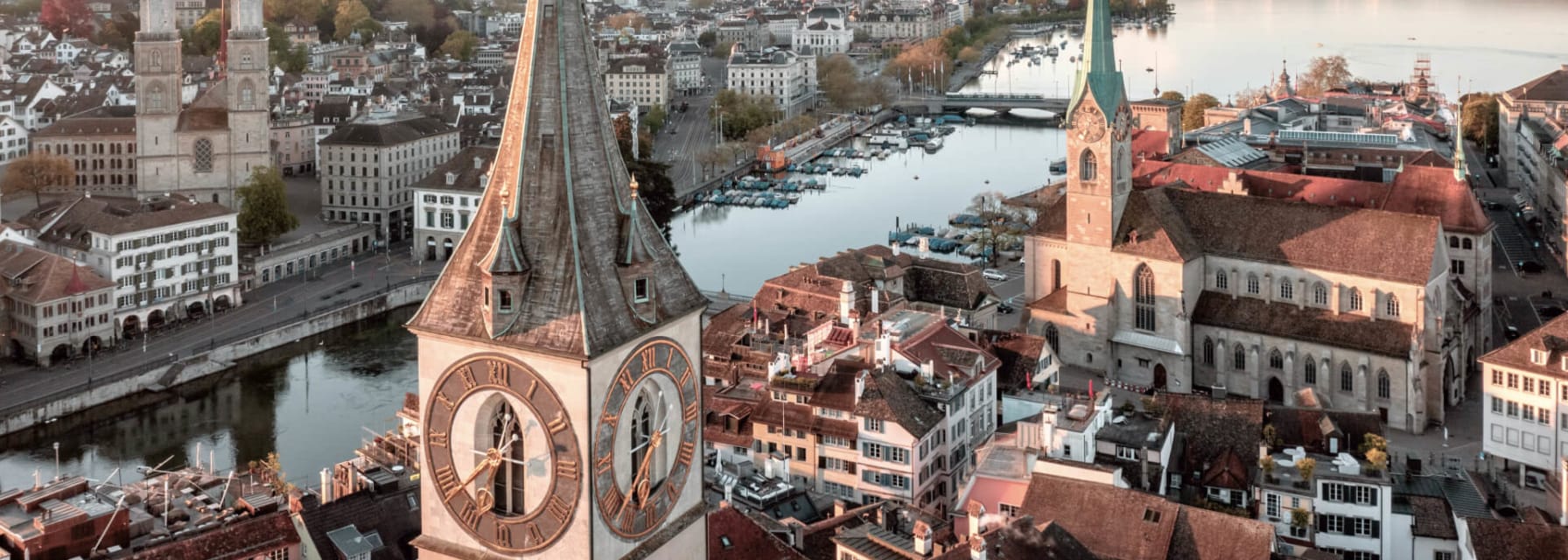


Switzerland consistently ranks among the world’s top destinations for higher education. Its globally respected universities, multilingual culture, political stability, and breathtaking landscapes make it irresistible for international students. From the financial powerhouse of Zurich to the diplomatic heart of Geneva and the academic shores of Lake Geneva, studying in Switzerland is as prestigious as it is life-changing.
But there is one universal shock awaiting nearly every international student: housing.
Swiss cities are compact, highly regulated, and famously competitive when it comes to rentals. Apartments move fast, landlords are selective, and paperwork is meticulous. For students arriving from abroad, the Swiss rental system can feel impenetrable — especially when navigating it in German, French, or Italian.
The good news? By 2026, the Swiss housing landscape has evolved. Beyond traditional student dormitories and long-term leases, flexible, furnished housing solutions have emerged that cater specifically to international students who need simplicity, transparency, and speed.
This guide offers a complete roadmap to student housing in Switzerland in 2026 — covering costs, neighborhoods, safety, universities, and modern alternatives that eliminate bureaucratic friction.
The 2026 Swiss Rental Reality: What Students Should Budget
Switzerland remains one of Europe’s most expensive countries, and housing is the single largest cost. However, quality, safety, and infrastructure are consistently world-class.
Average Monthly Housing Costs (2026 Estimates)
| City | Studio / 1-Bedroom Apartment |
| Zurich | CHF 2,200 – CHF 3,800 |
| Geneva | CHF 2,300 – CHF 4,000 |
| Lausanne | CHF 1,800 – CHF 3,200 |
| Basel | CHF 1,700 – CHF 3,000 |
| Bern | CHF 1,600 – CHF 2,800 |
Prices vary based on proximity to city centers, public transport access, and whether the apartment is furnished.
Typical Monthly Cost of Living for International Students (2026)
| Expense Category | Estimated Monthly Cost (CHF) | 2026 Market Notes |
| Rent | 1,800 – 4,000 | Furnished units command a premium |
| Utilities & Heating | 150 – 250 | Energy efficiency regulations impact pricing |
| Internet & Mobile | 80 – 130 | High-speed internet is standard |
| Food & Groceries | 600 – 900 | Cooking at home is essential for savings |
| Public Transport | 70 – 100 | Student discounts widely available |
| Personal & Social | 300 – 500 | Dining out is expensive but high quality |
Financial Strategy:
Many international students now favor all-inclusive furnished rentals, which bundle utilities, internet, and maintenance. This approach eliminates surprise costs and simplifies budgeting in a high-cost country.
Major Swiss Cities & Where Students Live
Zurich: Switzerland’s Academic and Financial Capital
Top Universities
- ETH Zurich (Swiss Federal Institute of Technology)
- University of Zurich (UZH)
- Zurich University of Applied Sciences (ZHAW)
Best Student Neighborhoods
- Kreis 6 (Unterstrass & Oberstrass): Popular with ETH and UZH students; quiet, green, and well-connected.
- Kreis 5 (Zürich-West): Trendy, modern developments with furnished apartments and excellent transit.
- Oerlikon: A major hotspot in 2026 for international students due to newer buildings and direct train links.
Zurich offers unmatched academic prestige but demands early planning; competition for housing is fierce year-round.
Geneva: International Affairs Meets Academia
Top Universities
- University of Geneva (UNIGE)
- Geneva Graduate Institute (IHEID)
- Webster University Geneva
Best Student Neighborhoods
- Plainpalais: Lively, student-friendly, and close to UNIGE.
- Les Eaux-Vives: Popular for its lakeside lifestyle and tram access.
- Carouge: Artistic, charming, and slightly more affordable.
Geneva’s housing market is one of Europe’s tightest. Many students choose flexible rentals to avoid year-long leases and French-speaking administrative hurdles.
Lausanne: Switzerland’s Student City
Top Universities
- EPFL (École Polytechnique Fédérale de Lausanne)
- University of Lausanne (UNIL)
- IMD Business School
Best Student Neighborhoods
- Renens: A fast-growing student hub with excellent metro access.
- Ouchy: Scenic lakeside living, popular with graduate students.
- Prilly: Residential, calm, and well connected.
Lausanne has one of the highest student populations per capita in Europe, making demand strong but communities vibrant and welcoming.
Basel: Life Sciences and Culture
Top Universities
- University of Basel
- FHNW (University of Applied Sciences and Arts Northwestern Switzerland)
Best Student Neighborhoods
- Gundeldingen (Gundeli): Student-heavy, affordable, and central.
- Kleinbasel: Lively, multicultural, and close to campus.
- St. Johann: Quiet and residential with modern developments.
Basel is often overlooked but offers some of the best value for international students in 2026.
The Safest Cities and Neighborhoods for Students
Switzerland is consistently ranked among the safest countries in the world. That said, certain neighborhoods stand out for students.
Safest Areas for International Students (2026):
- Seefeld (Zurich): Upscale, lakeside, and extremely secure.
- Champel (Geneva): Residential and popular with academic professionals.
- Pully (Lausanne): Quiet, family-oriented, and well-connected.
- Grossbasel: Historic, calm, and close to the university.
Public transport is safe even late at night, and cities are designed for walkability and security.
The “Swiss Challenge”: Paperwork, Permits, and Proof
Switzerland’s rental market is famously documentation-heavy.
Traditional Rental Requirements
- Swiss residence permit (or proof of application)
- Swiss bank account
- Credit extract (Betreibungsauszug)
- Long-term lease commitment (12 months or more)
- Security deposit (up to 3 months’ rent)
For newly arrived international students, these requirements can delay housing for weeks.
Traditional Leasing vs. Modern Flexible Housing
| Traditional Rental | Flexible Furnished Housing |
| Unfurnished apartment | Fully furnished, move-in ready |
| Long-term lease | Flexible durations (3–12 months) |
| Separate utility contracts | Utilities & Wi-Fi included |
| Complex paperwork | Simplified digital onboarding |
| Large upfront costs | Predictable monthly pricing |
This shift has made managed student-friendly apartments the preferred option for international students in 2026.
All Student Housing Options in Switzerland
University Dormitories
Affordable but limited. Waiting lists are common, and rooms are typically small.
Private Room Shares (WG)
Popular with undergraduates but challenging for newcomers unfamiliar with local norms.
Purpose-Built Student Residences
Social and modern, but availability is limited in major cities.
Private Furnished Apartments (The Professional Choice)
Ideal for graduate students, PhD candidates, and exchange students who value independence, privacy, and efficiency.
Why Flexible, Furnished Housing Is the Smart Choice in 2026
Modern student housing providers now approach housing as a service, not a bureaucratic process.
Key Advantages
- Turnkey Living: Arrive with a suitcase — furniture, kitchenware, and Wi-Fi are ready.
- Predictable Costs: No hidden utility or heating surprises.
- Maintenance Support: Issues handled digitally, often within 24 hours.
- Prime Locations: Buildings near universities and transit hubs.
- Peace of Mind: Especially important for families abroad.
Over a 9–12 month academic stay, this model often proves more cost-effective than traditional renting once deposits, furniture, and setup costs are considered.
Pro Tips for Finding the Best Student Housing in Switzerland
- Start Early: Begin your search 3–4 months before arrival.
- Follow Transit Lines: One stop outside city centers can save hundreds per month.
- Avoid Cash Deals: Legitimate rentals always provide contracts and receipts.
- Verify Registration Rights: Ensure your address allows official city registration.
- Think Seasonally: August and September are the most competitive months.
In 2026, one of the most effective ways international students navigate Switzerland’s competitive housing market is through professionally managed, furnished apartments — and Blueground has emerged as a trusted provider across key academic cities such as Zurich, Basel, and Geneva.
Unlike traditional rentals, which often require local credit history, long-term commitments, and in-person viewings, Blueground’s model is designed for students arriving from abroad who need certainty before they land.
Designed for International Arrivals
Blueground apartments are fully furnished and move-in ready, allowing students to arrive in Switzerland with nothing more than their suitcase. Each apartment includes:
- Designer-selected furniture and fully equipped kitchens
- High-speed Wi-Fi suitable for hybrid and remote learning
- In-unit laundry or modern shared facilities
- Utilities and building services included in one predictable monthly price
This turnkey approach is particularly valuable in Swiss cities, where setting up utilities, furniture deliveries, and internet contracts can take weeks — and often requires local language proficiency.
Conclusion: Studying in Switzerland Without the Housing Stress
Switzerland offers one of the highest qualities of life in the world — and an education that opens doors globally. While the housing market is complex and competitive, international students in 2026 have more options than ever before.
By understanding city-specific markets, choosing safe and well-connected neighborhoods, and leveraging modern, flexible housing solutions, students can bypass administrative roadblocks and focus on what truly matters: their academic journey.
With the right strategy, finding a home in Switzerland doesn’t have to be a hurdle — it can be the first step toward an exceptional experience in one of the world’s most remarkable countries.

Related Stories


