


How much does it cost to live in different Seoul neighborhoods?
Seoul is South Korea’s capital and largest city, home to around 9.3 million registered residents across 25 districts (gu). From global business hub…

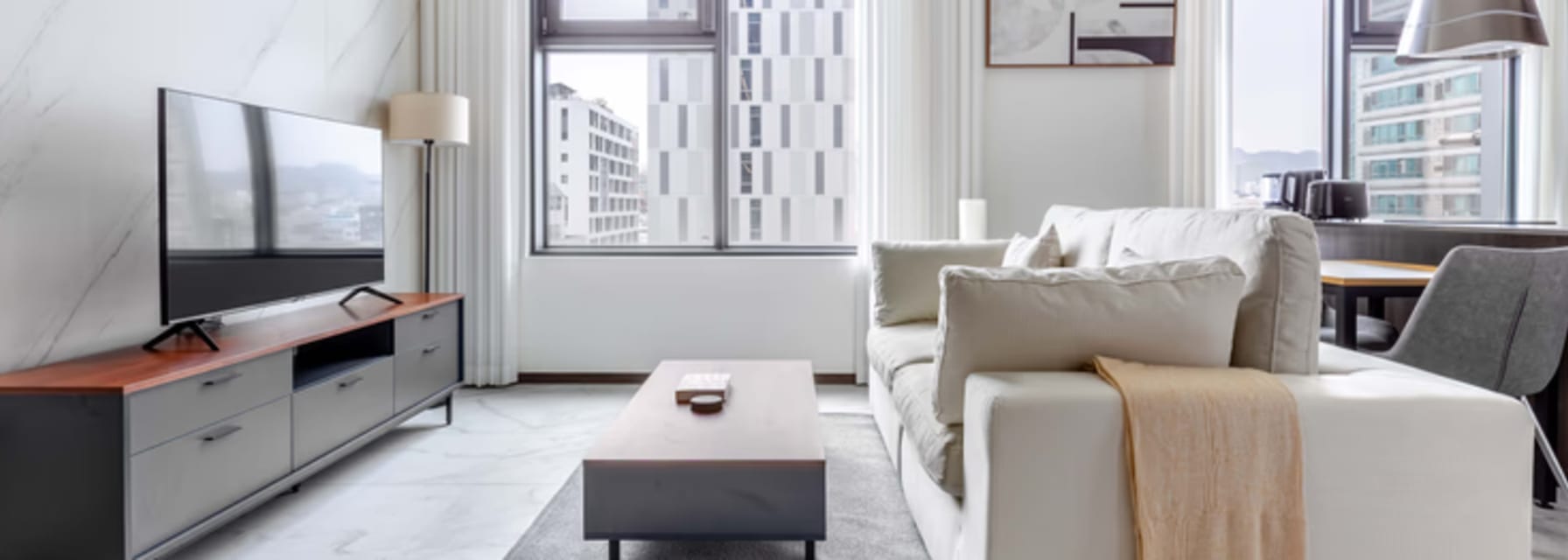


Seoul is South Korea’s capital and largest city, home to around 9.3 million registered residents across 25 districts (gu). From global business hubs like Gangnam to international communities in Yongsan and lifestyle-focused areas such as Mapo, each neighbourhood offers a different living experience and price range.
For renters, housing is usually the biggest factor in Seoul’s cost of living. Rental prices vary significantly by neighbourhood, apartment type, size, and proximity to business districts or transport links. Seoul’s official real estate data tracks rental transactions across the city, showing clear differences between districts and housing options.
This guide compares the cost of living across Seoul’s popular neighbourhoods, helping expats and long-term renters understand where they can find the right balance between budget, convenience, and lifestyle.
Key takeaways
- Seoul’s living costs vary significantly by neighbourhood, with areas such as Gangnam, Yeouido, and Hannam generally having higher rental prices due to business demand and premium housing options.
- Housing is the biggest factor affecting monthly expenses, while transportation and daily costs are relatively consistent across the city.
- Neighbourhood choice depends on more than budget, including commute time, lifestyle preferences, apartment type, and access to daily facilities.
- Areas such as Mapo and Seongsu can offer a balance between lifestyle and cost, while central districts like Jongno and Jung-gu provide strong convenience.
- Furnished apartments can reduce upfront costs by removing the need to buy furniture and household essentials, which matters most for stays of under a year.
Understanding Seoul’s main residential areas
Seoul is a large city with neighbourhoods that offer different lifestyles, housing options, and price levels. From business districts such as Gangnam and Yeouido to international communities and creative areas like Yongsan and Seongsu, each area attracts different types of residents. Understanding these differences can help renters choose a neighbourhood that matches their budget, workplace, and daily needs.
- Gangnam: a major business and commercial district located south of the Han River. Due to high demand and its convenient location, it is generally one of the more expensive areas to live in Seoul. It is popular among professionals, executives, and employees working in southern Seoul.
- Yeouido: Seoul’s financial centre and one of the city’s key business areas. Located along the Han River, it is home to major companies, financial institutions, office towers, and modern residential buildings. Living costs are relatively high because of its business importance, making it suitable for professionals who want a shorter commute and easy access to workplace facilities.
- Yongsan: a centrally located district known for its international community and convenient access to different parts of Seoul. Areas such as Itaewon and Hannam are popular among expats due to international restaurants, foreign-friendly services, and premium housing options.
- Seongsu: an emerging lifestyle district that has become popular among younger professionals and creatives. Housing demand has increased as more residents look for a modern lifestyle outside traditional business districts.
- Mapo / Hongdae: is known for its energetic atmosphere and strong lifestyle appeal. The area offers a wide range of restaurants, cafes, entertainment venues, and convenient public transport. Compared with areas like Gangnam, it can offer more affordable housing options, making it popular among younger professionals, students, and international residents.

Seoul neighbourhood cost comparison at a glance
Rental prices in Seoul vary significantly depending on location, apartment type, and demand. Business districts and international neighbourhoods usually have higher housing costs, while areas popular with students and younger professionals often offer more affordable options. The table below compares average monthly rent levels in some of Seoul’s most popular areas for foreign residents.
| Neighbourhood | Indicative monthly rent* (studio/officetel, conventional wolse) | Cost level | Area characteristics | Best suited for |
|---|---|---|---|---|
| Gangnam | Around ₩1.2M/month | High | Seoul’s major business and commercial district with premium apartments, offices, shopping, dining, and excellent transport connections | Corporate employees, executives, and professionals working south of the Han River |
| Yongsan / Itaewon / Hannam | Around ₩1.0M/month | High | International neighbourhood with foreign-friendly services, restaurants, central location, and premium residential areas such as Hannam-dong | Expats, international employees, and first-time Seoul residents |
| Yeouido | Around ₩1M–₩1.5M/month | High | Major financial and business hub with corporate offices, government and institutional facilities, modern residential developments, and riverside green spaces | Finance professionals, corporate employees, and international professionals working in or around Yeouido |
| Seongsu | Around ₩850K–₩1M+ depending on property type | Medium–High | Fast-growing lifestyle district known for cafes, restaurants, creative spaces, and new developments | Young professionals and residents seeking a modern neighbourhood |
| Mapo / Hongdae | Around ₩850K/month | Medium | Popular area with universities, cafes, nightlife, restaurants, and strong subway connections | Students, younger professionals, digital workers, and social lifestyles |
| Songpa / Jamsil | Around ₩1.0M/month | Medium–High | Residential district with parks, family facilities, shopping, and newer apartment complexes | Families and residents looking for more space |
| Jongno / Jung-gu | Around ₩750K/month | Medium | Central Seoul area with historic attractions, government offices, shopping districts, and convenient transport | First-time residents and people working in central Seoul |
*Indicative figures based on (Checkmate Korea & Seoulstart, 2025-2026). Wolse rents fall as the deposit rises, so figures assume a typical deposit of roughly 10–20 times the monthly rent. Furnished monthly rentals are priced differently.
Factors that affect the cost of living in Seoul
The cost of living in Seoul depends on more than just the neighbourhood. While location plays an important role, factors such as apartment type, rental contract, commute needs, and lifestyle choices can significantly change monthly expenses.
Housing type and apartment size
- Housing is usually the biggest factor affecting monthly costs in Seoul. Rental prices vary depending on whether you choose a studio, officetel, one-bedroom apartment, or larger residential apartment. Larger units in newer buildings with facilities such as gyms, security services, and parking usually have higher rents.
- Apartment size can create a large difference in rental prices even within the same neighbourhood. A compact studio near a subway station may cost significantly less than a larger apartment suitable for families in the same district.

Deposit and rental contract structure
- Seoul’s rental system can affect how much renters need to budget upfront. Most monthly rental contracts (wolse) require a deposit in addition to monthly rent, while jeonse contracts involve a much larger deposit with little or no monthly payment.
- A higher deposit usually reduces the monthly rent, and the trade-off is regulated. When a deposit is converted to monthly rent, the Housing Lease Protection Act caps the conversion rate at the Bank of Korea base rate plus two percentage points. This makes it possible to compare two offers for the same home — one with a higher deposit, one with a higher rent — on a like-for-like basis. International renters should compare the total housing cost, including the opportunity cost of the deposit, rather than looking only at the monthly payment.
- Protecting the deposit. A deposit is only protected once the home is occupied and the address is registered. Foreign residents file a change-of-residence report (within 15 days of moving in) rather than the Korean move-in report; the two are separate procedures, but for deposit protection they have the same legal effect. A fixed date stamp on the contract adds priority repayment rights, and leases above the statutory thresholds must be reported within 30 days of signing.
Explore more: Monthly Rentals in Seoul: A 1-12 Month Guide
Location and commuting distance
- Living close to major business districts usually comes with higher housing costs. Areas such as Gangnam, Yeouido, and central Seoul attract strong demand because they reduce commuting time for office workers.
- Neighbourhoods with convenient subway access can offer better value. Seoul’s extensive public transport network allows residents to consider areas outside the main business districts while maintaining reasonable commuting times.

Building age and included facilities
- Newer apartments and buildings with modern facilities usually have higher rental prices. Features such as security systems, elevators, parking, fitness facilities, and better building maintenance can influence costs.
- Older buildings may offer lower rents but can vary significantly in condition and available amenities. Renters should consider the overall living experience, not only the monthly price.
Lifestyle choices and daily spending habits
- Daily expenses can vary depending on personal lifestyle rather than neighbourhood alone. Residents who frequently eat at restaurants, visit cafes, or use international services may spend more than those who cook at home and rely mainly on public transport.
- Transportation costs are relatively consistent across Seoul. The city’s integrated subway and bus network helps residents control commuting costs even when living outside central districts.
Explore more: How to find long-term apartment rentals in Seoul without a traditional lease
Choose furnished apartment options in Seoul with Blueground
Choosing where to live in Seoul often depends on more than just rental prices. Different neighbourhoods offer different living experiences, from business-focused areas like Gangnam and Yongsan to lifestyle districts such as Mapo and Seongsu, with housing costs influenced by location, apartment size, and local amenities.
Blueground offers furnished apartments across Seoul’s popular neighbourhoods, helping international renters compare homes in areas that match their budget, commute needs, and preferred lifestyle. Whether you are looking for a convenient base near work, a vibrant neighbourhood close to cafés and entertainment, or a quieter residential area, Blueground provides move-in-ready options to explore.
Explore Blueground furnished apartments by Seoul neighbourhood and compare available homes based on location, space, and your preferred way of living.
Frequently asked questions
What is the average cost of living in Seoul per month?
The monthly cost of living in Seoul depends mainly on housing choices and lifestyle. For many residents, rent is the largest expense, while transportation, food, and utilities usually vary less between neighbourhoods.
Which Seoul neighbourhoods are the most expensive to live in?
Gangnam, Yeouido, and premium areas such as Hannam-dong generally have higher living costs due to strong business demand, modern housing options, and convenient access to major facilities.
What is the most affordable area to live in Seoul?
Neighbourhoods such as Mapo, some parts of Jongno, Jung-gu, and areas further from major business districts can offer more affordable rental options. However, prices still depend on apartment type, location, and rental contract conditions.
Is it cheaper to rent a furnished or unfurnished apartment in Seoul?
The total cost depends on the length of stay and individual needs. Unfurnished apartments may have lower monthly rent in some cases, but furnished apartments can reduce upfront expenses by avoiding the need to purchase furniture, appliances, and household essentials.

Related Stories


