


How to find long-term apartment rentals in Seoul without a traditional lease
If you are moving to Seoul for several months, a project assignment, or an extended period abroad, committing to a conventional long-term rental ma…

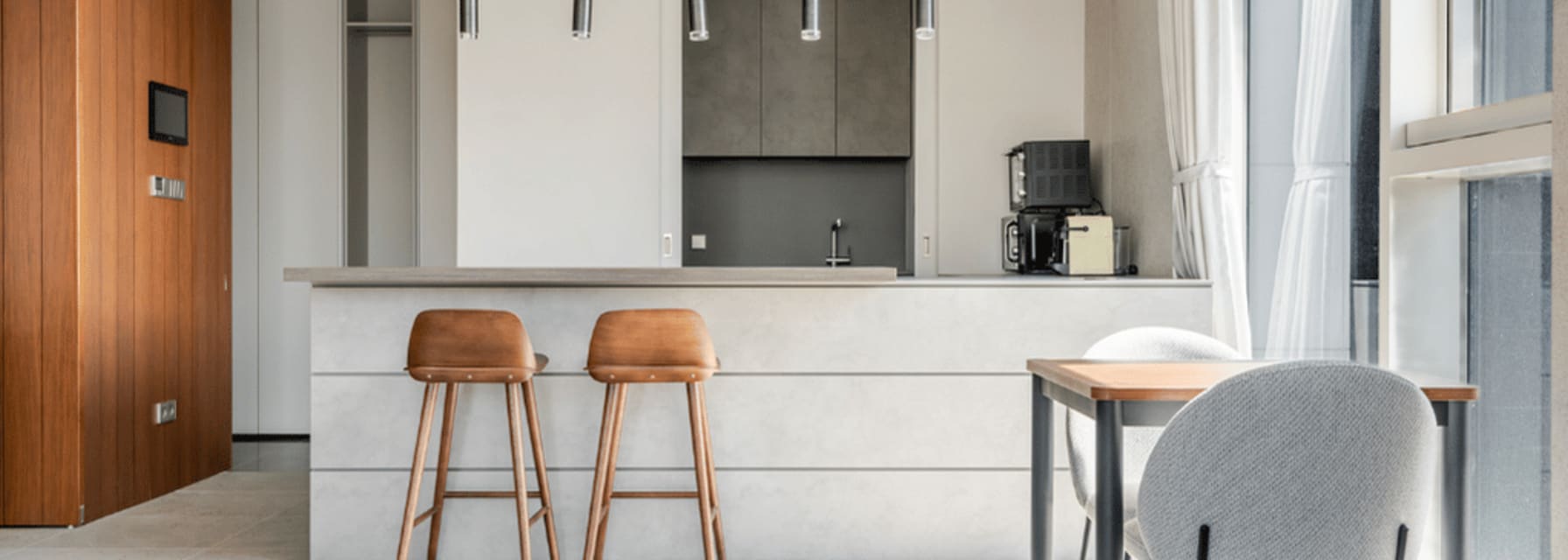


If you are moving to Seoul for several months, a project assignment, or an extended period abroad, committing to a conventional long-term rental may not suit your timeline. Fortunately, it is possible to rent a furnished home for a month or longer through more flexible rental arrangements.
These options still involve booking terms or a rental agreement. The difference is that you do not necessarily need to follow the same rental structure, furnishing process, and longer commitment associated with Seoul’s conventional private rental market.
Key takeaways
- Seoul’s conventional jeonse and wolse rental structures commonly involve longer contracts and a security deposit.
- Flexible furnished rentals can be more practical for people staying for several months, relocating for work, or waiting for permanent housing.
- Renting without a traditional long-term lease does not mean renting without an agreement or contractual obligations.
- Before booking, check the rental period, payment schedule, deposit, included services, furnishings, and rules for changing your dates.
- Blueground offers furnished rentals in Seoul with stays typically starting from one month.
What does renting without a traditional lease mean in Seoul?
Seoul’s private rental market differs from the systems many international residents are used to.
The Seoul Metropolitan Government describes two common rental structures. Under jeonse, a tenant provides a substantial lump-sum deposit and rents the home for a defined period. Under wolse, the tenant normally pays both a deposit and monthly rent. The city’s housing guidance describes both structures in the context of contracts commonly lasting one to two years.
For someone moving to Seoul temporarily, the issue is not necessarily the lease itself. It is the combination of the required commitment, upfront arrangements, furnishing, and other practical steps that may be disproportionate to a stay of only a few months.
A flexible rental offers another route. Instead of setting up a conventional private rental for a longer period, you can book a furnished home for the period you actually expect to need it.
This should not be confused with renting without a contract. Flexible rentals normally have their own agreement, payment terms, cancellation conditions, and occupancy rules. These should always be reviewed before you book.
What alternatives are available if you do not want a long-term lease?
The right alternative depends on how long you are staying and how much privacy, space, and service you need.
| Option | Typically suited to | Main consideration |
|---|---|---|
| Furnished monthly rental | Professionals, relocating employees, and extended stays | Provides a private, ready-to-live-in home without having to furnish it yourself |
| Serviced residence | Temporary stays where additional hospitality services are useful | Services and facilities vary considerably by property |
| Co-living or shared housing | People comfortable sharing some living spaces | Can offer greater flexibility, but less privacy |
| Conventional private rental | People establishing a longer-term home in Seoul | May involve more setup, a longer commitment, and a different deposit structure |
The exact minimum stay, deposit, and services cannot be assumed from the housing category alone. Providers and individual properties can have different terms, so the actual listing and agreement matter more than the label.
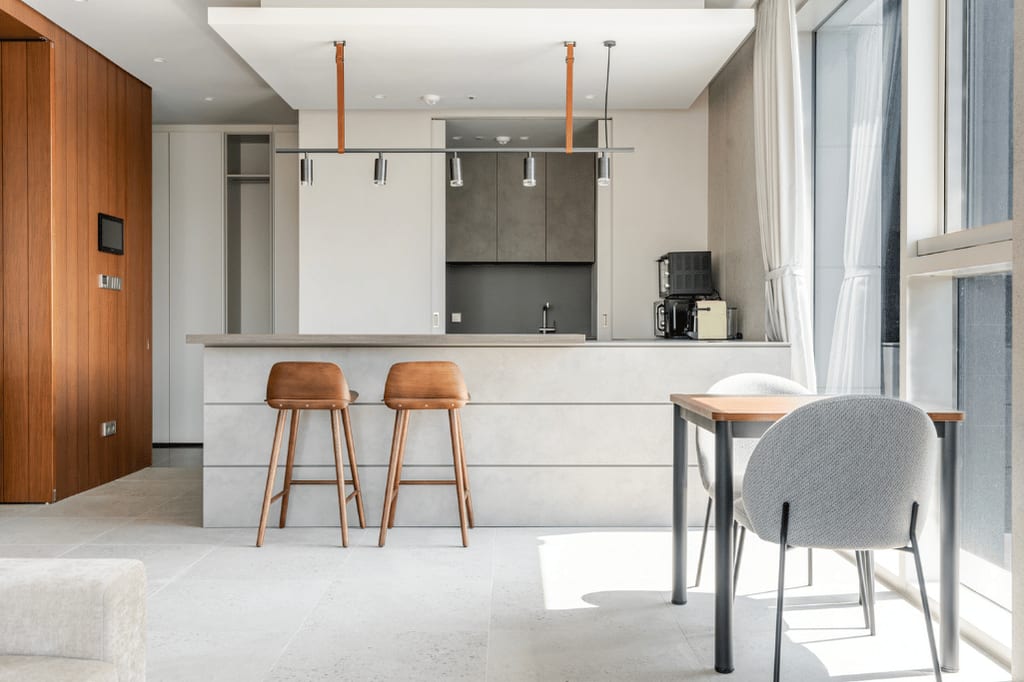
For someone who wants their own kitchen, living area, and everyday residential setup, a professionally managed furnished rental can provide a useful middle ground between a hotel stay and setting up a conventional home from scratch.
When does a furnished monthly rental make more sense?
A flexible rental is not automatically better than a traditional rental. It tends to become more relevant when your housing timeline is temporary or still uncertain.
For example, you may be:
- relocating to Seoul before choosing a permanent home;
- working in the city on a temporary assignment;
- joining a project with an uncertain completion date;
- accompanying a partner or family member for several months;
- arranging housing for an employee before they arrive in South Korea; or
- staying long enough to want a functional home rather than a conventional hotel room.
In these situations, the ability to move into an already furnished home may be more important than securing the type of rental structure you would choose for a permanent move.
If you already know that Seoul will be your long-term home, however, it can still make sense to compare conventional rental options. Your expected duration, upfront budget, and need for flexibility should guide the decision rather than the rental category alone.
What should you check before booking a long-term monthly rental in Seoul?
A shorter commitment does not mean you should skip the details. Before confirming a furnished rental, check the actual conditions attached to the home you are considering.
1. Rental period and flexibility
Start with your dates.
Confirm the minimum rental period, your agreed end date, and what happens if your plans change. If there is a possibility that your assignment will run longer, ask how extensions are handled and whether they depend on continued availability.
You should also understand the cancellation and early-termination conditions before paying. These are provider- and agreement-specific, so avoid assuming that a monthly rental can automatically be shortened or extended at any time.
2. Deposit, payments and included costs
Look beyond the advertised monthly price.
Check whether a deposit is required, when payments are due, and which recurring costs are included. Utilities, cleaning, parking, and other charges can be handled differently from one property or provider to another.
For a company-arranged relocation, it may also be important to establish who will enter into the agreement and who will make the payments. The exact structure should be confirmed with the housing provider rather than assumed from the fact that the employee will occupy the home.
3. Furnishings and everyday essentials
“Furnished” can mean different things across the rental market, so review the individual listing rather than relying only on the category name.
For an extended stay, practical details may include:
- kitchen equipment;
- laundry facilities;
- Wi-Fi;
- workspace or room layout;
- bedding and linens;
- storage; and
- maintenance arrangements.
The goal is to determine whether the home will support ordinary daily life from move-in rather than simply whether furniture is present.
4. Documents and administrative requirements
If you are arranging housing from overseas, confirm what identification and documentation are needed before you start the booking process. Requirements depend on the provider, the contracting party and the intended use of the home. Four procedures apply only in Korea, and it is worth confirming that the selected property supports them before signing.
Resident registration and the fixed date stamp
In Korea a registered address is not simply a postal address — it is what protects the deposit. Korean nationals must file a resident registration move-in report within 14 days of moving in; possession of the home together with that registration establishes statutory tenant standing from the following day. A fixed date stamp on the contract adds priority repayment rights. Where any deposit is involved, these two steps are effectively the only protection available, regardless of how small the amount is.
Residence reporting for foreign nationals
Foreign nationals must report a change of residence to the relevant immigration office or local authority after completing alien registration. Proof of alien registration is often a prerequisite for opening a bank account, taking out a mobile contract, or enrolling children in school.
Lease reporting
Residential leases above the statutory deposit or monthly rent thresholds must be reported within 30 days of signing in the Seoul metropolitan area and other designated regions. The grace period ended on 31 May 2025, so contracts signed from 1 June 2025 onward are subject to penalties for non-reporting. Reporting can be done online or at the local community service centre, and submitting the contract at the same time also secures the fixed date stamp.
Check whether the home is operated on a sublease
Many furnished monthly homes are operated on a sublease basis, where the operator leases from the owner and re-lets to the occupant. Where that applies, confirm the following in writing.
- Whether the head landlord has consented to the sublease
- Whether the remaining term of the head lease covers the intended stay
- How occupants are protected if the head lease ends or is terminated early
- Whether the structure supports resident or residence registration
Residence-hotel properties, some officetels and sublease arrangements may restrict registration depending on building policy or contract structure. If the intended stay runs past the remaining term of the head lease, the same home may not be available at the point an extension is requested.
This section describes general Korean leasing and tax practice. It is not legal or tax advice. Confirm the treatment of a specific arrangement with a Korean adviser.

Can you arrange a monthly rental before arriving in Seoul?
In many cases, the search and booking process can begin before you arrive. For international relocations, this can remove the need to spend the first weeks in temporary housing while looking for a longer-term home.
A practical process is to:
- Confirm your expected move-in and move-out dates.
- Decide which part of Seoul works for your commute and everyday needs.
- Review homes that are actually available for those dates.
- Check the furnishings, services, and total charges for the individual property.
- Confirm the required documentation and payment arrangement.
- Review the agreement, including cancellation and extension conditions.
- Complete the booking and receive the relevant move-in instructions.
Blueground’s Seoul listings show availability and pricing for individual homes, allowing renters to review options for their intended dates before booking.
For an international move, confirming these details before your flight is particularly useful because it separates the housing decision from the many other tasks that need to happen after arrival.
Finding a furnished monthly rental in Seoul without a long-term commitment
If you need a private home for more than a short visit but are not ready to enter Seoul’s conventional rental market, professionally managed furnished housing is one option to consider.
Blueground’s furnished apartments in Seoul typically start from one-month stays, with studios and larger homes available depending on the location and dates selected. This can suit relocations, temporary assignments, and other extended stays.
Availability, pricing, and rental conditions depend on the home and dates you select. Before booking, review the individual listing and agreement for applicable payments, services, and other conditions.
Explore furnished apartments in Seoul for your required dates.

Frequently asked questions
Can foreigners rent an apartment in Seoul without signing a long-term lease?
Yes. International residents can consider furnished monthly rentals and other flexible housing arrangements rather than entering a conventional one- or two-year private rental. Blueground’s furnished apartments in Seoul typically start from one-month stays, which can be an option for international renters who do not need a conventional one- or two-year private rental.
Does renting without a traditional lease mean there is no rental agreement?
No. A flexible monthly rental normally still comes with an agreement or booking terms covering matters such as occupancy dates, payments, and changes to the booking. “Without a traditional lease” refers to using a different rental structure, not living in the home without contractual conditions.
Do monthly apartment rentals in Seoul require a security deposit?
It depends on the provider, property, and agreement. Do not assume that every monthly rental is deposit-free simply because it is more flexible than a conventional jeonse or wolse arrangement; check the payment conditions for the specific home before booking.
Can I extend a monthly rental if my plans change?
An extension may be possible, but it can depend on the provider’s terms and whether the same home remains available. If your departure date is uncertain, ask about the extension process before booking rather than relying on the assumption that you can automatically add additional months.

Related Stories


