


Living in Jongno-gu, Seoul: A guide for expats and long-term renters
Living in Jongno-gu offers a distinctive experience in central Seoul, where historic palaces, traditional neighbourhoods, modern offices, and every…

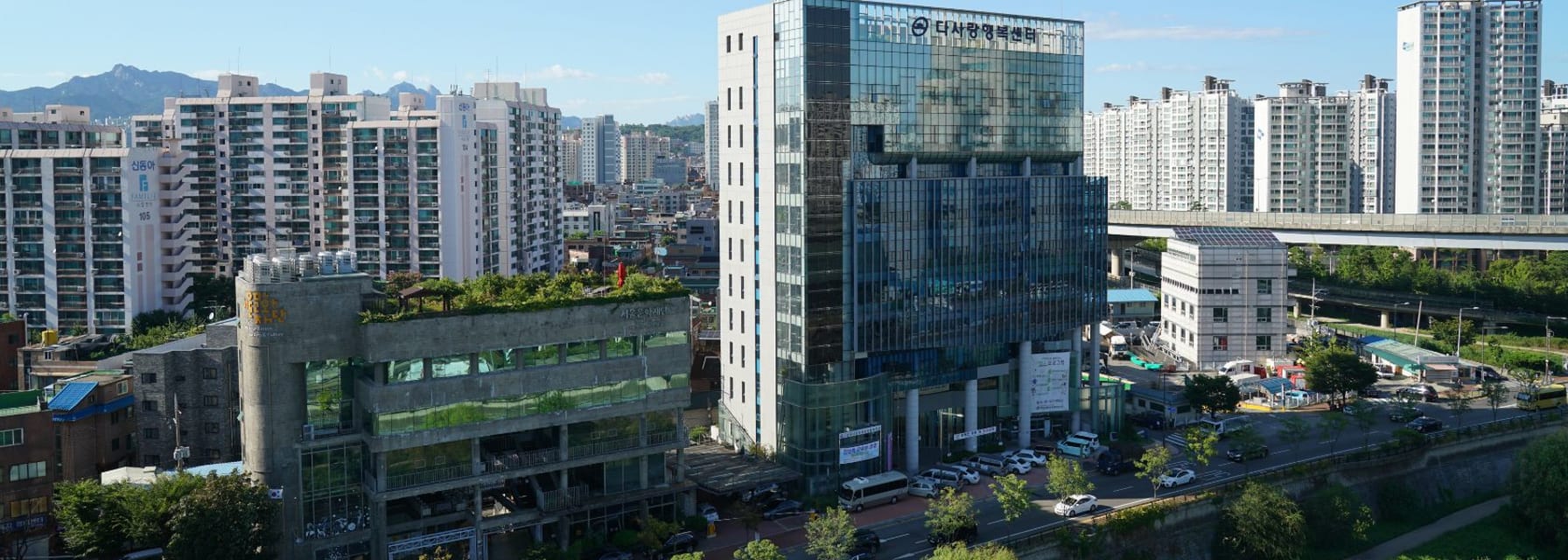


Living in Jongno-gu offers a distinctive experience in central Seoul, where historic palaces, traditional neighbourhoods, modern offices, and everyday conveniences exist side by side. Home to well-known areas such as Gwanghwamun, Anguk, and Hyehwa, Jongno-gu appeals to residents who want convenient access to Seoul’s business districts while enjoying the city’s cultural heritage.
For expats and long-term renters, however, choosing where to live in Jongno-gu involves more than finding a centrally located apartment. This guide explores what daily life in Jongno-gu is like, including the best neighbourhoods to consider, living expenses, transportation, and rental documents for finding a furnished apartment in Seoul.
Key takeaways
- Jongno-gu provides access to major business areas, including Gwanghwamun and nearby City Hall, making it convenient for professionals working in central Seoul.
- Areas such as Anguk, Hyehwa, and Jongno 3-ga offer different residential environments, from traditional streets to lively commercial districts.
- Rental prices, deposits, apartment sizes, and furnishing standards vary by neighbourhood and property type.
- Subway lines and bus routes connect Jongno-gu with other parts of Seoul, although commuting convenience depends on the specific apartment location.
- Expats and long-term renters can consider furnished accommodation to reduce the need to purchase furniture and arrange household essentials after moving in.
What is it like to live in Jongno-gu, Seoul?
Living in Jongno-gu means experiencing both the historic and modern sides of Seoul. Located in the city’s central area, the district is home to landmarks such as Gyeongbokgung Palace, Changdeokgung Palace, and traditional streets around Bukchon Hanok Village, alongside office buildings, shopping areas, and residential neighbourhoods.
Daily life varies depending on where residents choose to live. Gwanghwamun and Jongno’s commercial areas are convenient for those who value proximity to workplaces, restaurants, and public transport. Meanwhile, neighbourhoods such as Samcheong-dong and Hyehwa offer a different atmosphere, with smaller streets, independent cafés, cultural venues, and established residential communities.
For expats and long-term renters, Jongno-gu offers the following lifestyle characteristics:
- Best for: Professionals working in central Seoul, corporate expats, international students attending nearby universities, and long-term renters who enjoy cultural surroundings and urban convenience.
- Nearby attractions: Gyeongbokgung Palace, Changdeokgung Palace, Bukchon Hanok Village, Insa-dong, Ikseon-dong, and Cheonggyecheon Stream.
- Advantages: Central location, extensive subway and bus connections, proximity to major business areas, diverse dining options, and access to historic and cultural attractions.
- Disadvantages: Tourist crowds around popular landmarks, potentially higher rental costs in sought-after central locations, limited parking in some neighbourhoods, and varying conditions among older residential buildings.
Overall, Jongno-gu can be a practical choice for expats who prioritise central Seoul living, cultural experiences, and convenient commuting. However, choosing the right neighbourhood and apartment is essential, as rental costs, noise levels, housing conditions, and everyday amenities differ across the district.

Best neighbourhoods to live in Jongno-gu
Jongno-gu includes several neighbourhoods with different living environments, from busy commercial centres to quieter residential streets. For expats and long-term renters, choosing the right area depends on commuting needs, lifestyle preferences, housing budgets, and access to everyday amenities.
| Neighbourhood | Best for | Key advantages | Main considerations |
|---|---|---|---|
| Gwanghwamun / Sajik-dong | Working professionals | Central business district access, transport, amenities | Busy commercial areas and potentially higher housing costs |
| Anguk / Samcheong-dong | Culture enthusiasts, long-term expats | Traditional architecture, galleries, historic surroundings | Tourist activity and older housing |
| Hyehwa / Daehangno | Students, academics, creative professionals | University access, theatres, dining, Line 4 | Evening activity around entertainment streets |
| Jongno 3-ga / Ikseon-dong | Professionals seeking urban convenience | Three subway lines, dining, central location | Crowded streets and potential noise |
Commuting from Jongno-gu to Seoul’s major business districts
Jongno-gu’s central location provides access to several of Seoul’s important employment districts. However, commuting convenience depends on the specific neighbourhood, the nearest subway station, and the number of transfers required.
| Business district | Transport connections from Jongno-gu |
|---|---|
| Gwanghwamun | Accessible on foot from nearby central neighbourhoods or via Line 5 to Gwanghwamun Station |
| City Hall | Line 1 from Jonggak or Jongno 3-ga to City Hall Station |
| Gangnam | Line 3 runs directly from Anguk or Jongno 3-ga to Sinsa, Apgujeong and Express Bus Terminal; for Gangnam Station itself, transfer to Line 2 at Gyodae |
| Yeouido | Direct Line 5 connection from Gwanghwamun or Jongno 3-ga to Yeouido Station |
| Dongdaemun | Line 1 from Jongno 3-ga or Line 4 from Hyehwa to Dongdaemun Station |
Residents should check their specific departure station and workplace location before choosing a rental property. Walking distances, transfers, and peak-hour travel conditions can affect the overall journey.
What documents do foreigners need to rent an apartment in Jongno-gu?
Foreigners renting an apartment in Jongno-gu should prepare identification documents, proof of their immigration status where applicable, and the paperwork required for their rental agreement. Some documents are needed before signing a lease, while others become important for residence reporting and deposit protection after moving in.
Although specific requirements may vary by landlord, rental provider, and immigration status, the following documents and procedures are particularly relevant to expats renting in Seoul.

Identification and immigration documents
Before signing a rental agreement, international renters should confirm which identification documents the landlord or rental provider requires. Common documents include:
- Valid passport: Used to verify the tenant’s identity.
- Residence Card (formerly Alien Registration Card): Relevant for foreigners who have completed registration in South Korea.
- Visa or proof of immigration status: May be requested depending on the rental provider and intended length of stay.
- Proof of employment or financial information: May be requested by certain landlords or rental providers, but is not a universal requirement.
Foreigners arranging accommodation before arriving in South Korea should ask whether they can complete the rental process using their passport before receiving a Residence Card.
Rental agreement and deposit-related documents
The rental agreement is an essential document for confirming tenancy arrangements and may also be required for subsequent residence reporting.
Before signing, renters should check that the agreement clearly identifies the property, landlord and tenant, rental period, deposit, monthly rent, management fees, and payment conditions.
For conventional Korean rental contracts, tenants should also understand the following documents and procedures:
- Signed rental agreement (임대차계약서): Records the agreed rental terms and serves as proof of the tenancy.
- Property registration record (등기사항증명서): Helps tenants check registered ownership and property-related rights or encumbrances.
- Fixed date confirmation (확정일자): Establishes an officially recognised date for the lease agreement and can be relevant to rental deposit protection.
Address registration and reporting after moving in
Foreign residents may need to complete additional administrative procedures after moving into an apartment in Jongno-gu. The applicable deadline depends on their immigration or residency status.
| Procedure | Deadline | Key requirements |
|---|---|---|
| Change of residence for registered foreigners | Within 15 days of moving (Immigration Act, Article 36) | Passport, Residence Card, application form, proof of residence |
| Change of residence for F-4 visa holders | Within 14 days of moving | Passport, Residence Card or Certificate of Domestic Residence Report, completed change-of-residence report form, and proof of the new address (e.g., a rental agreement or accommodation confirmation). |
| Housing lease contract reporting | Within 30 days of signing, where applicable | Rental agreement and relevant contract information |
| Fixed date confirmation | For eligible residential leases, tenants should check how to obtain a fixed date confirmation (확정일자). Deposit protection depends on additional legal requirements beyond the fixed date alone. | Rental agreement and identification; obtain promptly where relevant to deposit protection |
For further information, refer to the Seoul Foreign Resident Center’s housing lease reporting guidance and Hi Korea. Foreign renters should confirm the procedures applicable to their particular immigration status and rental arrangement.
Make your move to Jongno-gu easier with Blueground
Relocating to Jongno-gu involves more than choosing the right neighbourhood. For expats and long-term renters, arranging furniture, setting up household essentials, and understanding rental requirements can complicate moving to Seoul, especially when relocating from overseas.
In Jongno-gu, renters can explore Halla-Unjongga Jongno #63, a 43 m² one-bedroom furnished apartment in Sungin-dong. Sungin-dong is in the eastern part of Jongno-gu and should not be presented as being within the Gwanghwamun or Anguk neighbourhoods; check the commute from the specific building. Confirm the floor level, included appliances, laundry facilities, and views against the current apartment listing before publication.
With furnished living spaces and household amenities that vary by property, Blueground helps residents settle into everyday life without having to purchase major furniture after arrival.
Explore furnished apartments in Jongno-gu with Blueground.
Before booking, please confirm whether the selected property is suitable for your intended residential use, whether address registration is permitted, and which tenant protections apply to the specific lease.
Frequently asked questions about living in Jongno-gu
Is Jongno-gu a good place to live for foreigners?
Yes. Jongno-gu can be a practical choice for foreigners working or studying in central Seoul, thanks to its public transport connections, business areas, and everyday amenities. However, the experience varies between busy commercial neighbourhoods and quieter residential streets.
Which neighbourhood in Jongno-gu is best for expats working in Seoul?
Gwanghwamun and Sajik-dong are convenient for professionals working in central Seoul, particularly around Gwanghwamun and City Hall. Jongno 3-ga is another practical option for commuters because its station connects subway Lines 1, 3, and 5.
Can foreigners rent an apartment in Jongno-gu before arriving in South Korea?
Foreigners may be able to arrange accommodation before arriving in South Korea, depending on the landlord or rental provider. They should confirm whether passport identification is accepted, which immigration documents are required, and whether the agreement can be completed remotely.
Are there furnished apartments in Jongno-gu suitable for couples?
Blueground lists Halla-Unjongga Jongno #63, a 43 m² one-bedroom furnished apartment in Sungin-dong. Maximum occupancy should be checked against the current listing before confirming suitability for two residents. Couples should check the property’s current availability, included facilities, and rental conditions before booking.
Is Jongno-gu or Gangnam better for working professionals?
Jongno-gu is generally more convenient for professionals working around Gwanghwamun, City Hall, and other central Seoul business areas. Gangnam may be more suitable for those whose workplaces are in southern Seoul. The best choice depends on the office location, commuting route, and preferred neighbourhood atmosphere.

Related Stories


