


Boston Student Housing Guide 2026: Finding a Home in Boston’s Metro Area & Massachusetts
Finding student housing in Boston can be challenging for international students, with high rental prices, strict requirements, and intense competit…

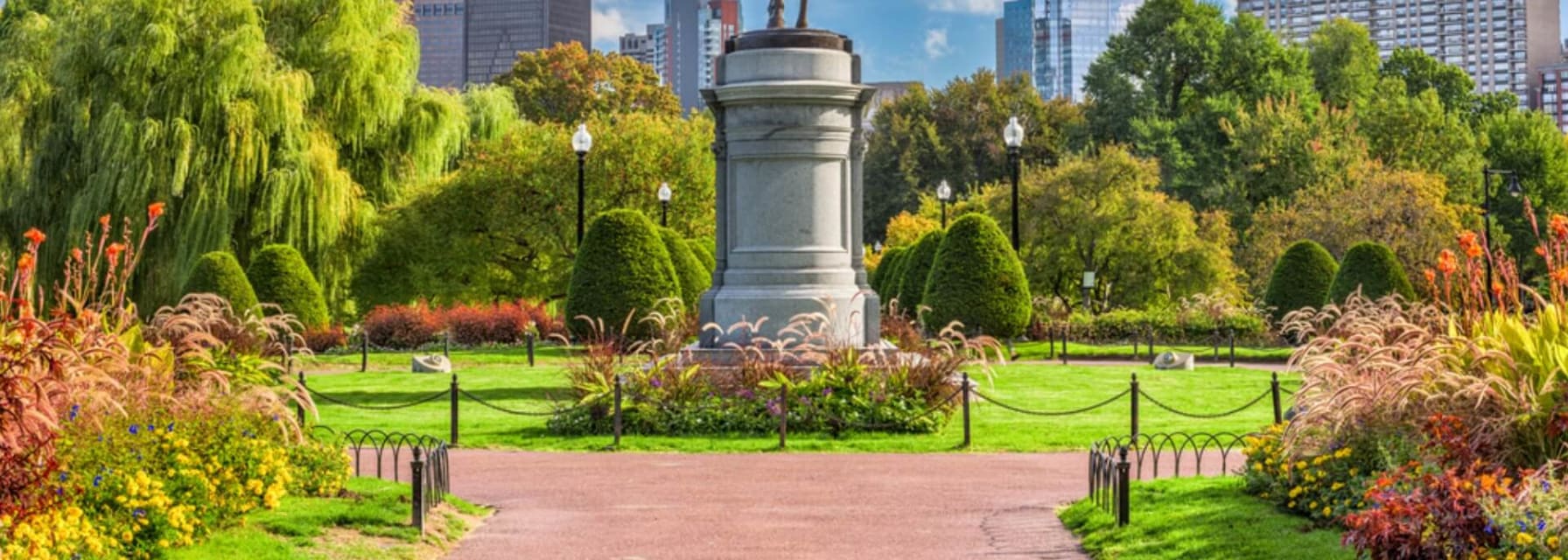


Finding a home in Boston is often the first real challenge an international student encounters. While the vision might include ivy-covered campuses, historic brownstones, and walks along the Charles River, the reality is far more complex: a competitive rental market, high upfront costs, and a leasing system that often assumes tenants already understand the unwritten rules of American housing.
For a student arriving from London, Mumbai, or Seoul, Boston can feel simultaneously welcoming and difficult to access. Unlike many global cities, the rental process here is not just about affordability—it’s about timing, documentation, and navigating a system that heavily favors those with U.S. financial history. Yet, much like New York, Boston’s housing ecosystem has evolved rapidly in recent years. What was once a rigid choice between dormitories and long-term leases has transformed into a more flexible, student-friendly landscape.
This guide offers a comprehensive look at how international students can secure housing in Boston and across Massachusetts in 2026. It covers real rental prices, cost of living expectations, the best neighborhoods by university, safety insights, and the growing role of flexible, furnished housing solutions that eliminate many of the traditional barriers.
The 2026 Rental Reality: Understanding Boston’s Housing Market
Boston consistently ranks among the most expensive cities in the United States, largely due to its dense concentration of universities and limited housing supply. Institutions like Harvard, MIT, Boston University, and Northeastern bring tens of thousands of students into a relatively compact metropolitan area, creating year-round demand that far exceeds availability.
In 2026, this pressure has pushed rental prices even higher. Studio apartments now typically start around $2,800 per month, while one-bedroom units average between $3,200 and $5,200 depending on the neighborhood. In premium areas such as Back Bay or Cambridge, luxury units can easily exceed $5,500 per month.
For up-to-date market data, students can review Boston’s housing market analysis on Redfin.
Beyond pricing, Boston has a unique leasing culture centered around September 1st, often referred to locally as “Allston Christmas.” This is when the majority of leases begin and end simultaneously, creating a chaotic but predictable annual housing cycle. For international students, missing this window can significantly reduce available options.
However, rent is only one part of the equation. A realistic monthly budget in 2026 includes utilities, internet, transportation, and daily living expenses. Heating costs, in particular, can rise sharply during Boston’s long winters, making all-inclusive housing options increasingly attractive.
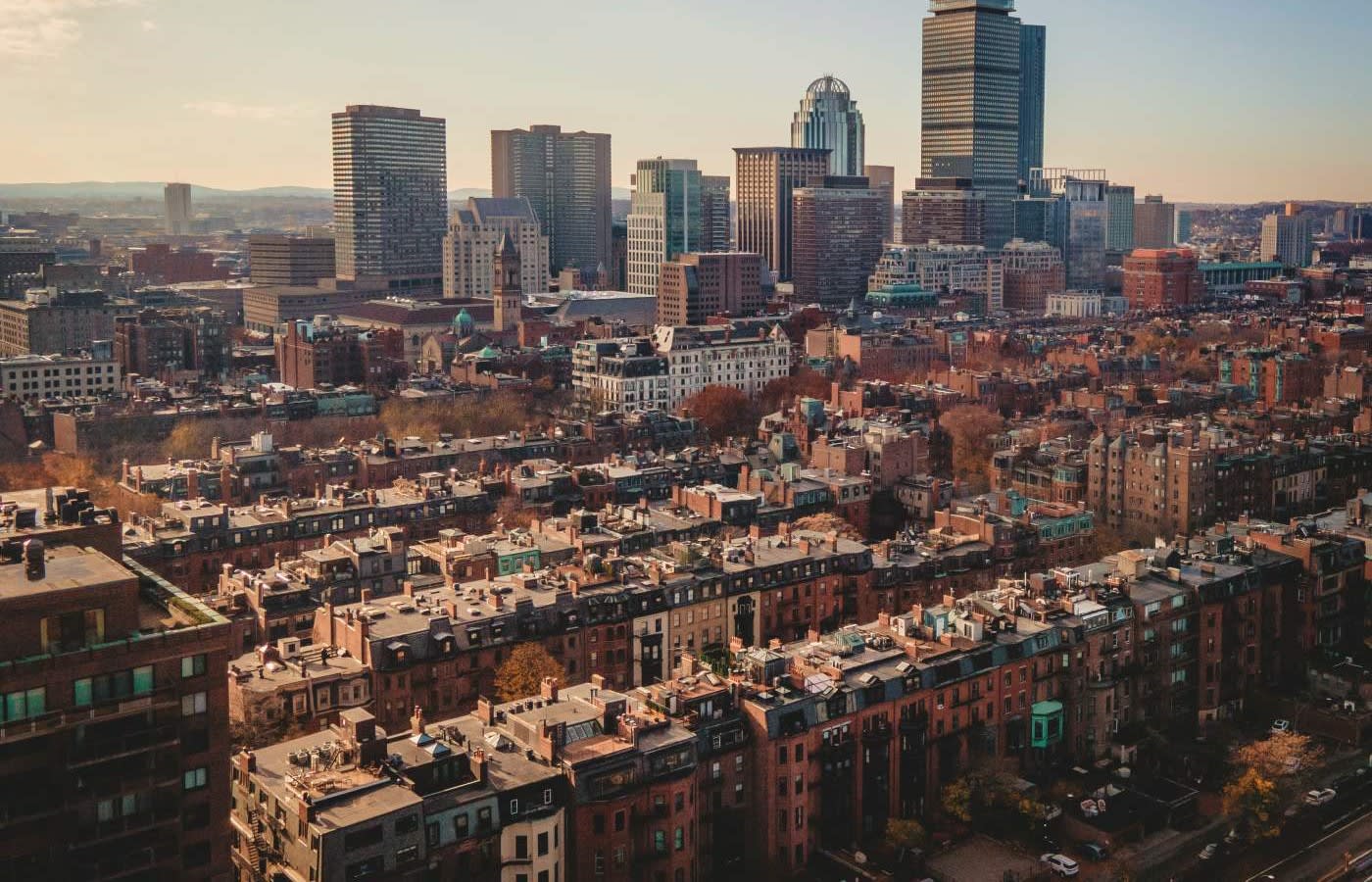
Cost of Living in Boston for Students (2026 Breakdown)
A student living independently in Boston should expect a total monthly cost that goes well beyond rent.
Utilities typically range from $150 to $280, depending on the season, while high-speed internet adds another $70 to $110.
Food expenses average between $500 and $750 per month, especially for students who cook regularly.
Public transportation is relatively affordable compared to New York. A monthly MBTA pass costs approximately $90 and provides access to subway, bus, and local rail services.
When combined with personal expenses such as dining, social activities, and basic shopping, the total monthly cost of living for a student in Boston typically falls between $3,800 and $6,000.
Because of this, many international students in 2026 are shifting toward all-inclusive furnished apartments, where utilities, Wi-Fi, and maintenance are bundled into a single monthly payment. This approach not only simplifies budgeting but also protects against seasonal cost spikes—especially during winter.
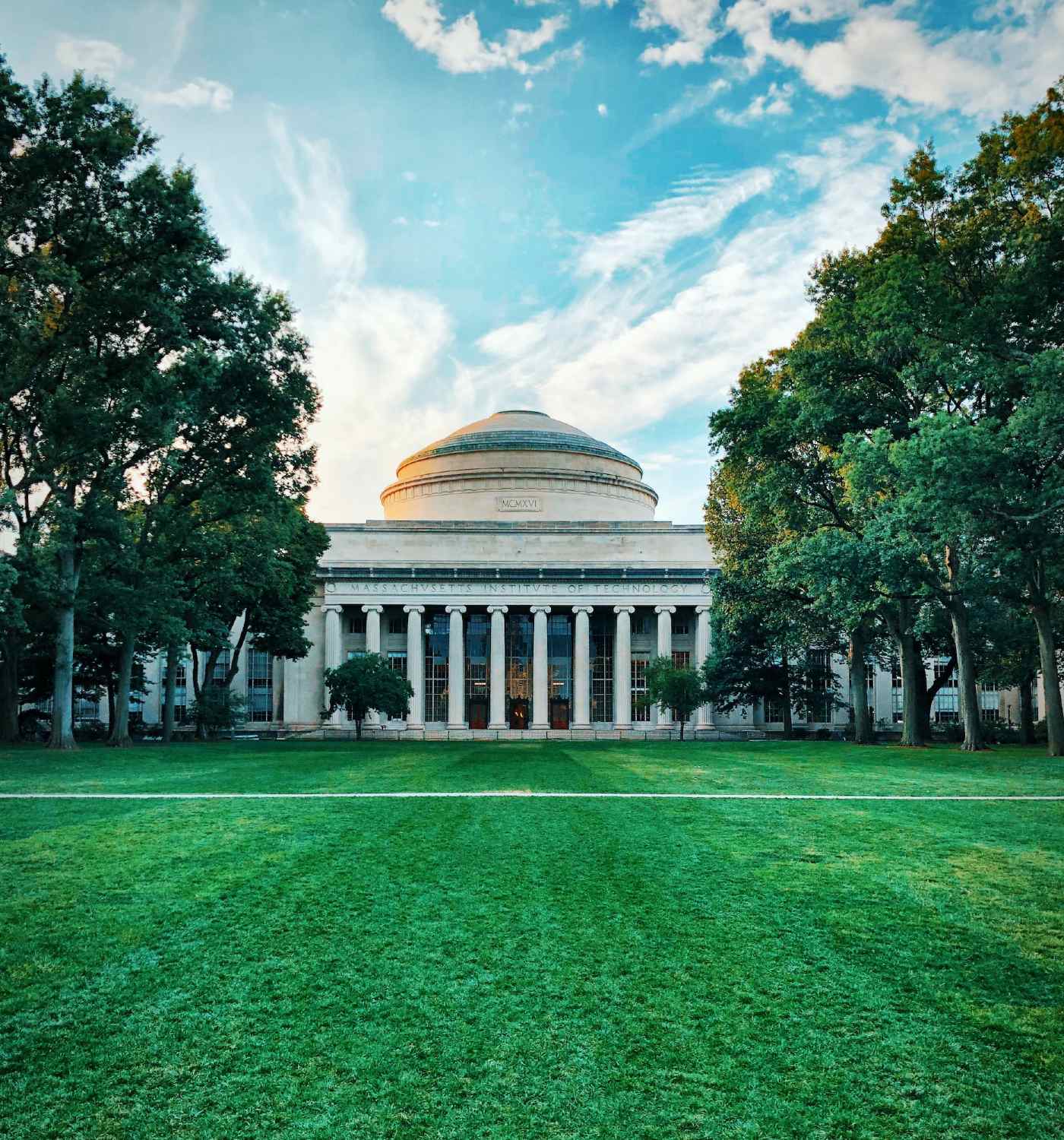
Where Students Live in Boston: Best Neighborhoods by University
Boston is not a single-campus city. Instead, it is a network of interconnected academic hubs spanning Boston itself, Cambridge, Somerville, and Brookline. Choosing the right neighborhood is therefore not just about proximity—it defines your daily routine, commute, and overall experience.
Students attending Harvard University or MIT are naturally drawn to Cambridge, particularly around Harvard Square and Kendall Square. These areas are among the most academically vibrant in the world, filled with libraries, cafés, research centers, and startup culture. However, this prestige comes at a cost, making Cambridge one of the most expensive rental markets in Massachusetts. More information about these institutions can be found here:
Harvard University: https://www.harvard.edu/
MIT: https://www.mit.edu/
As a result, many students look toward Somerville, especially Davis Square and Union Square. These neighborhoods offer a slightly more relaxed atmosphere, lower rent, and excellent connectivity via the Red Line, making them one of the smartest alternatives in 2026.
For students at Boston University and Boston College, the housing landscape shifts westward. Allston and Brighton have long been considered the unofficial “student capital” of Boston. These neighborhoods are filled with shared apartments, student-friendly pricing, and a lively social environment. While they may lack the polish of central Boston, they offer accessibility and affordability that is difficult to match. Official university sites:
Boston University: https://www.bu.edu/
Boston College: https://www.bc.edu/
Closer to downtown, areas like Fenway and Kenmore provide a more balanced experience, combining proximity to campus with access to parks, museums, and cultural institutions.
Meanwhile, students attending Northeastern University, Emerson College, or Suffolk University often gravitate toward Back Bay and the South End. Back Bay is one of Boston’s most iconic neighborhoods—central, safe, and architecturally stunning—but it comes with premium pricing. The South End offers a slightly more relaxed and artistic environment, with excellent dining and a strong residential feel. Northeastern University information: https://www.northeastern.edu/

The Safest Neighborhoods in Boston for International Students
Safety is one of the most important considerations for students and their families, and Boston performs well overall compared to other major U.S. cities. Still, certain neighborhoods stand out for their consistently low crime rates and strong community atmosphere.
Cambridge is widely regarded as one of the safest areas due to its university presence and well-developed infrastructure. Brookline, located just outside Boston, offers a quieter, more suburban feel with excellent safety and public transport connections. Back Bay is another top choice, known for its well-lit streets, high foot traffic, and central location.
Somerville, once overlooked, has seen significant development and now ranks among the safest and most desirable student areas.
Students can review official crime and safety data on the Boston Police Department.
The International Student Challenge: Renting Without U.S. History
One of the biggest obstacles international students face is the structure of the American rental system. In Boston, landlords typically require proof of income equivalent to three times the monthly rent, along with a strong credit history. For those without a U.S. financial background, this often leads to additional hurdles such as paying several months upfront or securing a guarantor.
It is common for students to be asked for:
-
First month’s rent
-
Last month’s rent
-
Security deposit
-
Broker fee (often equal to one month’s rent)
This means the total upfront cost for a Boston apartment can easily exceed $8,000 to $12,000.
For a detailed overview of tenant rights and legal protections, students can refer to Massachusetts Tenant Guide
A New Way to Rent: Flexible Student Housing in Boston
Because of these challenges, a growing number of students are turning to flexible housing solutions that remove the traditional barriers. Instead of requiring credit history or guarantors, these platforms accept university enrollment as proof of eligibility and offer fully furnished apartments with flexible lease terms.
This model is particularly appealing because it treats housing as a service rather than a legal process. Students can arrive with just their luggage and move into a fully equipped apartment, complete with Wi-Fi, kitchen essentials, and maintenance support.
In a city where time, paperwork, and upfront costs can be overwhelming, this approach provides clarity, speed, and peace of mind.
All Housing Options Available to Students
Despite the rise of flexible housing, students still have several options, each with its own advantages and drawbacks.
University dormitories remain the most straightforward choice, especially for first-year students, but they are often expensive and limited in availability. Many universities cannot accommodate all students beyond the first year, forcing them into the private market.
Purpose-built student housing providers such as Casita and AmberStudent offer community-focused living environments designed specifically for students. While these spaces are social and convenient, they often come with fixed contracts and less flexibility.
Private furnished apartments, on the other hand, have become the preferred option for graduate students and international arrivals who prioritize independence, comfort, and a seamless transition into city life.
Practical Tips for Securing Housing in Boston
Successfully finding housing in Boston often comes down to strategy and timing. One of the most effective approaches is to look just outside the most competitive areas. Neighborhoods like Somerville, Medford, and parts of Brookline offer excellent value while maintaining strong access to major universities.
Planning ahead is essential. Students should begin their search at least three to four months before their intended move-in date, especially if targeting the September leasing cycle.
It is also critical to avoid scams. Students should never wire money through unsecured methods such as Western Union or Zelle without verifying the legitimacy of the listing. Trusted platforms like Blueground, Zillow, or Apartments.com provide a safer starting point.
Finally, Boston’s climate should not be underestimated. Winters are long and cold, so choosing a well-insulated apartment with reliable heating can significantly impact both comfort and cost.
Conclusion
Boston and Massachusetts remain one of the most important academic hubs in the world, offering unmatched access to top-tier universities, research institutions, and career opportunities. While the housing market can be challenging—especially for international students unfamiliar with the system—the emergence of flexible, fully furnished housing has dramatically improved accessibility.
By understanding the rental landscape, choosing the right neighborhood, and leveraging modern housing solutions, students can avoid the traditional barriers that once defined the Boston experience. Instead of navigating paperwork and uncertainty, they can focus on what truly matters: building their future in one of the most intellectually vibrant cities in the world.

Related Stories


