


10 essential steps for relocating to America successfully
Learn 10 must-know tips for relocating to America, including visa options, housing, finances, and more. Make your move to the U.S. a smooth and su…


Relocating to the United States is a big move that’s equal parts thrilling and intimidating. From paperwork to packing, the sheer number of decisions can feel overwhelming. But it doesn’t have to be. Breaking the process into clear, manageable steps can help reduce the stress and keep you focused on what matters most: building a new life in America.
So where do you begin? In this guide, we’ll walk through 10 essential steps to take before your move—from early research and visa planning to settling into your new home and starting your American journey.
1. Figure Out What Visa You’ll Need To Enter The U.S.
First things first: before you move to the United States, you need to ensure you’re legally allowed to live and work here. For most people, that starts with securing the right visa.
A visa grants you, as a foreign national, permission to enter and stay in the U.S. for a specific purpose and period of time. But not all visas are the same—each comes with its own rules, including who qualifies, how long you can stay, and whether you’re allowed to work.
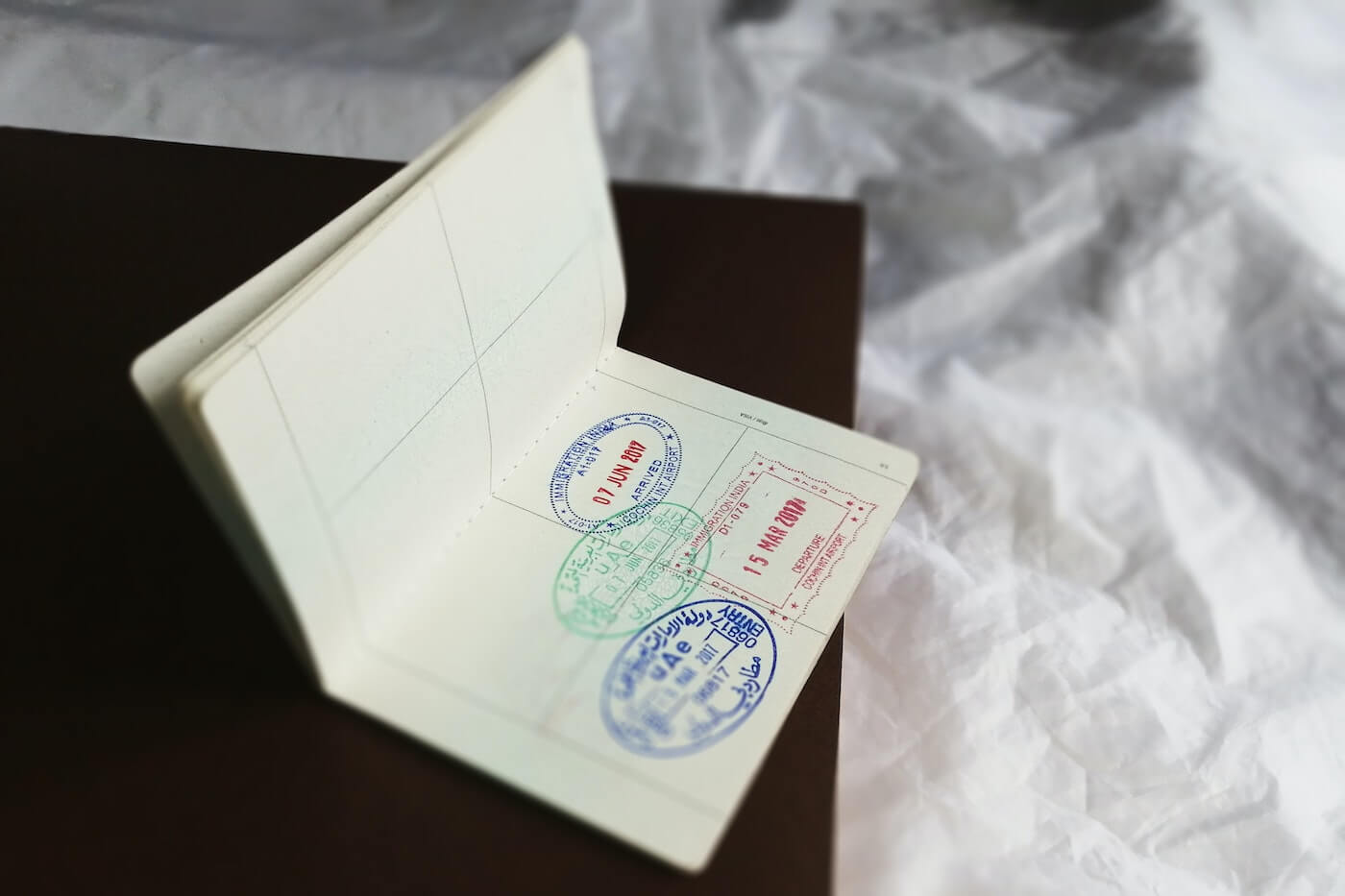
Some of the most common U.S. visa categories for immigrants who want to live and work in the U.S. include:
- H-1B Visa: For professionals in specialty occupations, such as tech, engineering, or finance. Requires sponsorship by an employer.
- O-1 Visa: For individuals with extraordinary ability in their field, such as science, arts, or athletics. Offers more flexibility and creative sponsorship paths than the more traditional H-1B.
- L-1 Visa: For employees transferring from a foreign branch of a company to a U.S. office.
- F-1 Visa: For international students pursuing academic studies in the U.S.
Keep in mind: a visa is not the same as a green card (permanent residency). For most immigrants, a visa is the first step—a temporary status that may later lead to a green card depending on your pathway and eligibility.
If you’re trying to relocate to the U.S. on a visa, it’s essential to work with an experienced immigration attorney. They can help you develop a personalized strategy aligned with your timeline, qualifications, and long-term goals.
If you’re planning on relocating to America, Manifest Law’s immigration attorneys can help. Schedule a consultation today to learn more about their services and how they can help you kick off your relocation journey and secure a visa.
2. Research Visa Requirements for Family Members and Dependents
If you’re planning to bring family members with you to the United States, you’ll also need to figure out what they need to do in order to secure a visa.
In many cases, your spouse and any unmarried children under the age of 21 will be eligible for derivative visas based on your visa category. For example, if you’re entering the U.S. with an H-1B visa, your spouse and children can move with you under H-4 visa status.
But regardless of the visa, you’ll most likely have to apply for your dependents’ visas separately and provide documentation that proves your relationship with each family member. This may include a marriage certification and/or birth certificate.
If you’re planning to bring family members with you to the U.S., talk to your immigration attorney; they can help you figure out what visas they need to apply for (and how long the visa will take to process), assemble their petitions, and submit their visa applications.
3. Set a Realistic Timeline
Once you know which visa you’re pursuing, the next step is mapping out a realistic timeline. A clear timeline sets expectations, helps you stay organized, and makes the entire relocation process feel more manageable.
Your timeline should include key milestones like:
- Preparing and submitting your visa application: This may involve gathering supporting documents, working with your employer or attorney, and completing required forms.
- Visa processing and approval: Processing times vary depending on your visa type, country of origin, embassy interview availability, and USCIS workload.
- Relocation logistics: This includes booking travel, securing housing, selling property (if needed), and packing or storing your belongings.
A few factors that can affect your timeline:
- Application prep time: Some visas require extensive documentation; how quickly you assemble and submit everything can impact your overall timeline.
- USCIS processing delays: Factors like visa category, consulate backlogs, and missing paperwork can slow things down. (Tip: Once you’ve submitted your visa application, you can check processing times for your case via the USCIS website.)
- Your personal situation: A student with few belongings will prep faster than a homeowner juggling a property sale and an international move.
There’s no one-size-fits-all timeline, but planning ahead using informed estimates gives you a clearer picture of what’s ahead and keeps you on track.
4. Research and Choose Where to Relocate
If you’re relocating to America for work and have a job offer lined up, in most cases, your employer will have the final say in where you live (for example, in the city where their business operates). But if you have the flexibility to choose where in America you’ll ultimately settle down, it’s time to do some research.
The more information you have about the different options available to you, the better you’ll be able to decide where in the U.S. is the right place for you to move. Research different cities and towns, considering factors like cost of living, quality of life, public transport, safety, and housing availability.
If you like the hustle and bustle of city life, you might explore living in major cities like New York, San Francisco, or Chicago. But if you prefer a quieter or more laid-back lifestyle, you might pursue living in a suburb or small town. The amazing thing about relocating to America is that there are endless options for places to live, based on your preferences for weather, lifestyle, and affordability.
Once you have a short list of places you may want to live, you can weigh the pros and cons of each and decide where in the U.S. is right for you.
5. Tap Into Your Network for Connections
Many people who relocate to the United States do so without knowing anyone in their new country. But you don’t necessarily have to wait until you move to the U.S. to start building a community; instead, you can tap into your existing community to (potentially) get a head start.
Reach out to your network, including family, friends, and colleagues, and ask if they have any connections in the U.S. they’d be willing to introduce you to. These connections can come in handy for a variety of reasons; for example, they might be able to share their immigration stories or offer insights into the new area you’re moving to.
Talking to someone who has gone through the relocation process themselves can help you feel more comfortable and prepared for your move. Additionally, expanding your network to the U.S. can help you build a community more quickly, making your experience in your new home much easier.
6. Find Housing in America
Securing housing is one of the most critical parts of a successful relocation—and one of the trickiest, especially when you’re brand new to the country.
As an immigrant, you may not want to jump straight into a long-term lease or home purchase. You’re still getting your bearings, and locking into a year-long contract (or mortgage) could leave you stuck in the wrong location or facing unexpected costs.
On the other hand, short-term options like hotels or extended-stay rentals offer more flexibility and often come fully furnished, but they can be expensive and unsustainable for more than a few weeks.

So, how should you go about securing housing when you’re relocating to America?
- Consider furnished month-to-month rentals through platforms like Airbnb, Furnished Finder, or Landing. These offer flexibility without the high price tag of hotels.
- Look for housing near your work, school, or community hubs to reduce commute stress as you settle in.
- If possible, visit neighborhoods virtually (via Google Street View or YouTube walkthroughs) to get a feel for the area before committing.
If you’re looking for a safe, affordable, stable place to land while you adjust to life in the U.S., consider Blueground. Blueground offers fully-furnished apartments across the U.S., with flexible lease terms. Blueground can give you a place to call home for however long you need it, whether that’s a month, a year, or longer. It also gives you the flexibility to change your living situation as needed, which is super important when you’re relocating to a brand new country.
7. Pack and Prepare
You’ve got your visa. You’ve set your timeline and are steadily moving forward. You’ve even got housing lined up! Once those logistics are out of the way, it’s time to start preparing for the actual physical move.

What that preparation will look like will vary from person to person, but in general will include things like sorting through your belongings, deciding what you’re bringing with you, and packing your bags to bring to the U.S.
Depending on where you live outside of America, you may also need to arrange for storage or shipping for furniture and other items that won’t fit in your suitcase. And don’t forget moving logistics like communicating with your landlord about your move!
8. Book Your Travel Arrangements
Another important step in the relocation process is actually booking your travel. Once your visa has been approved and everything is in line for you to legally move to the U.S., it’s time to figure out your travel plans and book your flight to the U.S.
In addition to your flight, you’ll also want to research travel options for getting from the airport to your new home. While most U.S. cities offer ridesharing, some drivers will only travel within a certain distance from the airport. So, if your new home is a longer distance from the airport, you may need to book a more formal car service in advance of your arrival.
Booking travel is also a great opportunity to review your travel documents and make sure everything is in order before your departure. For example, when you book your flight, make sure you have your passport and that it’s not set to expire during your time in the U.S.
9. Take Care of Your Finances and Healthcare
You’ll need access to money when you arrive in the U.S. Before your move, look into banking options and try to open an account prior to your arrival. Some banks will allow you to open a bank account online as long as you have certain identifying documents.
If you’re able to open the account online before you get to America, go ahead and deposit money into the account. That way, you’ll have immediate access to funds (in USD) as soon as you land in the States.
Before you move, you’ll also want to settle your finances in your home country. Make sure to pay any outstanding bills, close any unnecessary accounts, and settle any financial obligations before your departure; that way, you’re not trying to solve financial issues from your new home base in the U.S.
In addition to taking care of your finances, you’ll also want to take care of your healthcare and secure health insurance. The healthcare industry in the U.S. is complex, so before you make the move, be sure to research the different options available to you (for example, employer-sponsored healthcare vs. buying a healthcare plan on the private marketplace) and what you’ll need to do to secure coverage.
10. Relocate to the United States
Now that you’ve tackled all of the logistics, it’s time to actually make the move, relocate to the U.S., and start your new life. And with all of the prep work you’ve done, you’ve laid the foundation for a successful transition to life in the U.S. Now, all that’s left to do is enjoy it!
Relocate to the United States with Blueground
Looking for a place to stay as you relocate to the United States? Blueground offers fully furnished homes and flexible terms. Our move-in-ready apartments also feature exclusive furnishings, fully equipped kitchens, and incredible amenities. Plus, you’ll enjoy high-speed Wi-Fi, premium linens, smart home entertainment, and reliable support.
Find out more about the Blueground experience!

Related Stories


