


Where to live in Seoul: Best neighborhoods for expats and long-term renters
Seoul is the capital and largest city of South Korea, located in the northwestern part of the country along the Han River. As a global city with mo…


Seoul is the capital and largest city of South Korea, located in the northwestern part of the country along the Han River. As a global city with more than 9 million residents in the city proper, Seoul combines modern business districts, historic neighbourhoods, creative communities, and residential areas with very different lifestyles.
The right neighbourhood can affect daily commute times, access to international services, housing options, lifestyle, and overall adjustment to life in Korea. Understanding the differences between these neighbourhoods can help renters choose a location that matches their work, lifestyle, and housing needs.
Key takeaways
- Expats often consider neighbourhoods such as Gangnam, Yongsan, Hannam-dong, Mapo, Seongsu, and Jamsil because of their transport links, international amenities, and housing options.
- Professionals may prioritise areas close to business districts, while families may prefer neighbourhoods with more space, schools, and quieter surroundings.
- Rental choices in Seoul vary significantly by location, housing type, and length of stay, from traditional long-term leases to furnished apartments and corporate housing options.
- Before choosing a Seoul neighbourhood, compare commute times, monthly budget, preferred lifestyle, and whether you need a move-in-ready home.
Best Seoul neighbourhoods for expats and long-term renters
Seoul offers a wide range of residential environments, and the right neighbourhood depends largely on how you plan to spend your daily life in the city. Expats working in multinational companies may prioritise shorter commutes and international services, while students, families, and remote workers may look for different combinations of affordability, convenience, and neighbourhood atmosphere.
The following areas are among the most considered neighbourhoods for international residents and long-term renters in Seoul. Each offers different advantages depending on your work location, lifestyle preferences, and housing requirements.
Gangnam: Best for professionals working in Seoul’s business districts
Gangnam is one of Seoul’s most recognised districts and a popular choice for professionals who want convenient access to major business areas, modern facilities, and a highly connected urban environment.
The area is particularly suitable for employees working around Gangnam Business District, Teheran-ro, or nearby office areas, where reducing daily commuting time can be a major factor in choosing a home. Beyond offices, Gangnam provides easy access to restaurants, shopping centres, cafes, fitness facilities, and entertainment options, making it convenient for residents who prefer having most daily services nearby.
For international renters, Gangnam can be a practical choice when convenience is the priority. The neighbourhood has a strong infrastructure, reliable public transportation, and a wide range of housing options, including apartments and officetels that suit both shorter and longer stays.
However, living in Gangnam also comes with trade-offs. Rental costs are generally higher compared with many other parts of Seoul, especially for properties located close to major transport hubs. Some residents may also find the area more commercial and less residential compared with quieter neighbourhoods.
Gangnam may be a good fit for:
- Corporate employees working in southern Seoul
- International professionals who value convenience
- Renters who prefer modern facilities and easy access to services
- Residents who do not mind a higher housing budget
Consider before choosing Gangnam:
- Rental prices can be higher than other Seoul neighbourhoods
- Some areas may feel busy during business hours
- Larger residential spaces may require a higher budget

Yongsan and Itaewon: Best for international communities and central access
Yongsan and Itaewon are among Seoul’s most familiar areas for international residents, offering a combination of central location, diverse dining options, and access to international services.
These neighbourhoods can provide an easier transition because residents can find more foreign-friendly restaurants, shops, and services compared with many other parts of the city. Itaewon is particularly known for its international atmosphere, while Yongsan has developed into a major residential and commercial area with improved connectivity and new developments.
The location is another advantage. Situated near the centre of Seoul, Yongsan and Itaewon provide relatively convenient access to several important districts, including Gangnam, Myeongdong, and business areas in central Seoul.
Housing options vary significantly depending on the exact location. Renters can find apartments, villas, and newer residential buildings, but prices can differ greatly between streets and developments.
Yongsan and Itaewon may be a good fit for:
- First-time expats moving to Seoul
- International employees who want access to global services
- Residents who prefer a central location
- People who enjoy diverse restaurants and neighbourhood culture
Consider before choosing Yongsan or Itaewon:
- Some streets can be busier, especially around entertainment areas
- Housing costs vary widely depending on the property
- Quiet residential options may require more careful searching
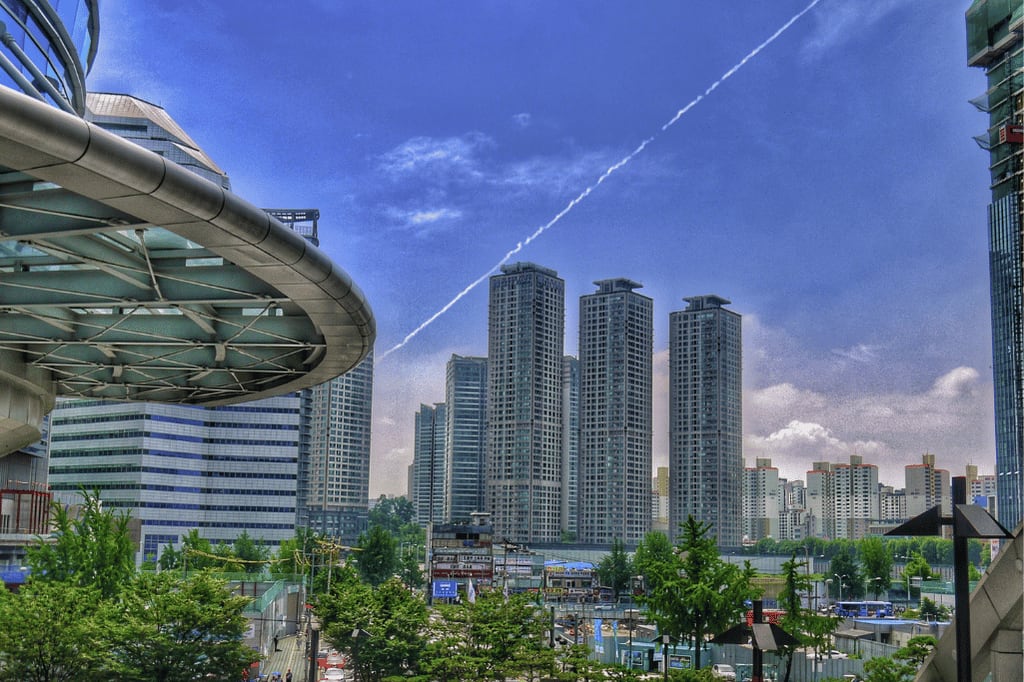
Hannam-dong: Best for premium residential living and privacy
Hannam-dong is known as one of Seoul’s more premium residential neighbourhoods, attracting residents who prioritise privacy, space, and a quieter environment while staying close to central areas.
Unlike busier commercial districts, Hannam-dong has a more residential character, making it appealing for professionals, executives, and residents looking for a more private living environment. The neighbourhood is also close to Itaewon and Yongsan, allowing residents to access international restaurants, shopping, and central Seoul amenities without living directly in a busy area.
Housing in Hannam-dong is typically positioned at the higher end of Seoul’s rental market, with a mix of premium apartments, villas, and larger residential properties. This makes it more suitable for renters with a larger housing budget or those whose priorities include space and exclusivity.
The main trade-off is that Hannam-dong may not offer the same level of direct subway convenience as some other popular neighbourhoods. Residents often rely more on buses, taxis, or private vehicles depending on their destination.
Hannam-dong may be a good fit for:
- Executives and professionals seeking privacy
- Families looking for a quieter residential area
- Renters prioritising space and neighbourhood atmosphere
Consider before choosing Hannam-dong:
- Housing costs are generally higher
- Transport convenience depends on exact location
- Fewer budget-friendly rental options are available
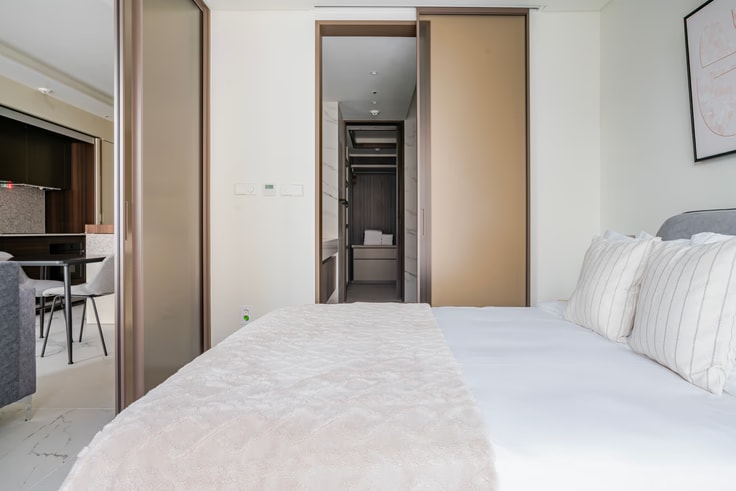
Seongsu: Best for renters seeking a creative neighbourhood with modern housing
Seongsu has become one of Seoul’s most popular lifestyle neighbourhoods, known for its mix of creative businesses, cafes, restaurants, and modern residential developments.
The area attracts younger professionals, entrepreneurs, and remote workers who want a neighbourhood with strong character rather than a purely business-focused environment. Former industrial spaces have been transformed into cultural venues, making Seongsu popular among residents who enjoy discovering new restaurants, independent stores, and creative spaces.
Compared with established districts such as Gangnam, Seongsu offers a different living experience. It provides access to lifestyle amenities while maintaining a more local neighbourhood atmosphere.
Housing availability has increased alongside the area’s popularity, with options including newer apartments and officetels. However, growing demand has also made some parts of Seongsu more competitive.
Seongsu may be a good fit for:
- Younger international professionals
- Remote workers
- Residents who prefer cafes, culture, and local neighbourhood experiences
Consider before choosing Seongsu:
- Popular areas can become crowded on weekends
- Rental demand has increased
- Commute convenience depends on workplace location
Mapo, Hongdae and Yeonnam-dong: Best for students, creatives and younger expats
Mapo, Hongdae, and Yeonnam-dong are popular among students, creatives, and younger international residents who enjoy a lively neighbourhood atmosphere.
Hongdae is known for its university influence, nightlife, music scene, and independent businesses. Nearby Yeonnam-dong offers a quieter alternative with cafes, restaurants, and residential streets, while the wider Mapo area provides more varied housing options.
These neighbourhoods are often considered by people who value lifestyle and community over proximity to Seoul’s main business districts. They are also well connected through public transportation, making it possible to reach many parts of Seoul without living in the city centre.
Housing options range from smaller apartments and studios to officetels, often making the area attractive for renters with more moderate budgets.
Mapo, Hongdae and Yeonnam-dong may be a good fit for:
- Students
- Younger professionals
- Freelancers and creatives
- Residents who enjoy nightlife and cultural activities
Consider before choosing this area:
- Some streets can be noisy, especially near nightlife areas
- Apartments may be smaller compared with family-oriented districts
- Weekend crowds may affect daily convenience

Jamsil: Best for families and residents seeking more space
Jamsil, located in Songpa-gu, is often considered by families and residents who prefer a more organised residential environment with access to parks, shopping, and family-friendly facilities.
Compared with more central neighbourhoods, Jamsil offers a less hectic atmosphere while still maintaining strong connections to other parts of Seoul. The area is known for large residential apartment complexes, making it attractive for renters who need more space or prefer a traditional residential setting.
Families may particularly value access to green spaces, schools, and everyday conveniences. However, depending on where someone works, commuting to western Seoul or central business areas may take longer compared with living closer to those districts.
Jamsil may be a good fit for:
- Families
- Long-term residents
- Renters seeking larger apartments and quieter surroundings
Consider before choosing Jamsil:
- Less convenient for some central or western Seoul workplaces
- Residential areas may feel quieter compared with nightlife districts
- Larger apartments can require higher budgets
What to consider when renting long-term in Seoul as an expat
Finding the right neighbourhood is only the first step when planning a long-term stay in Seoul. For international renters, the rental process can involve different housing systems, upfront costs, contract considerations, and practical decisions that may not be familiar compared with renting in other countries.
Before choosing an apartment, expats should consider how the rental arrangement fits their length of stay, budget, work location, and daily lifestyle. A convenient neighbourhood may still not be the right choice if the housing type, lease conditions, or overall costs do not match their needs.
Understand Seoul’s rental systems before choosing a home
South Korea’s rental market has several housing arrangements, and understanding the difference between them can help international renters choose a more suitable option.
The two traditional rental systems most commonly associated with Korea are jeonse and wolse.
Jeonse is a deposit-based rental system where tenants provide a large upfront deposit instead of paying monthly rent. At the end of the lease period, the deposit is returned to the tenant if all contractual conditions are met.
Wolse is closer to a conventional monthly rental arrangement, where tenants pay a monthly rent amount alongside a security deposit. This structure is often easier for foreign renters because it requires less upfront capital compared with jeonse.
For expats staying in Seoul temporarily, other options may also be considered, including:
- Furnished apartments
- Serviced apartments
- Corporate housing arrangements
- Flexible rental solutions
The most suitable option depends on factors such as how long you plan to stay, whether you already have local financial arrangements, and how much flexibility you need.
For example:
- An employee relocating to Seoul for a one-year assignment may prioritise a furnished apartment with a simpler move-in process.
- Someone planning to settle permanently may prefer exploring traditional rental options with longer-term commitments.
Consider your total housing budget, not just monthly rent
When comparing apartments in Seoul, the advertised monthly rent is only one part of the overall housing cost.
International renters should consider the complete financial commitment, including:
- Monthly rent
- Security deposit
- Building management fees
- Utilities
- Internet costs
- Moving expenses
- Possible agency fees
The same monthly budget can provide very different housing options depending on the neighbourhood. Areas close to major business districts or popular expat communities may have higher rental costs, while residential districts further from central areas may offer more space for the same budget.
For long-term planning, renters should compare the total monthly living cost, not only the listed apartment price.
A smaller apartment in a highly connected neighbourhood may be more practical for someone working long hours in the city, while a larger home further away may be more suitable for families or remote workers who spend more time at home.
Check apartment details and rental conditions before signing
For international renters, especially those searching before arriving in Korea, confirming the details of the apartment is essential.
Before signing, check:
- What furniture and appliances are included
- Whether utilities and internet are included
- Apartment size and layout
- Move-in date and availability
- Maintenance responsibilities
- Payment and contract conditions
This is particularly important for furnished apartments, as the definition of “furnished” can vary between properties.
Instead of relying only on photos or general descriptions, confirm the exact apartment details to avoid unexpected issues after arrival.
Find your Seoul apartment with Blueground
For international renters moving to Seoul, finding the right home means balancing location, flexibility, and everyday living needs. Blueground offers professionally managed, fully furnished apartments across Seoul, including areas such as Gangnam, Yeouido, Cheongdam, Seocho, Yongsan, and Dongdaemun. Flexible monthly rentals, live availability and pricing, plus support for maintenance and cleaning make the rental process more convenient for medium- and long-term stays.
For companies arranging relocation housing, Blueground also offers corporate apartments near business districts and transport hubs, giving employees a ready-to-live home that can be arranged online.
Planning your move to Seoul? Explore Blueground’s furnished apartments and find a home that fits your location, stay length, and needs.
Frequently asked questions
What are the best neighbourhoods in Seoul for expats?
Popular neighbourhoods for expats include Gangnam, Yongsan, Hannam-dong, Seongsu, Mapo, and Jamsil. The best choice depends on your workplace, budget, lifestyle preferences, and housing needs.
Is Seoul expensive to rent for foreigners?
Rental costs in Seoul vary depending on the neighbourhood, apartment type, size, and rental arrangement. Areas near business districts and popular expat communities generally have higher housing costs.
Are furnished apartments a good option for moving to Seoul?
Furnished apartments can be a practical choice for expats, international employees, and temporary residents who want a move-in-ready home without purchasing furniture or setting up household essentials.

Related Stories


