


A guide to relocation housing in Seoul for expats and international employees
Finding the right place to live is one of the most important steps when relocating to Seoul for work. Beyond choosing a neighbourhood, internationa…

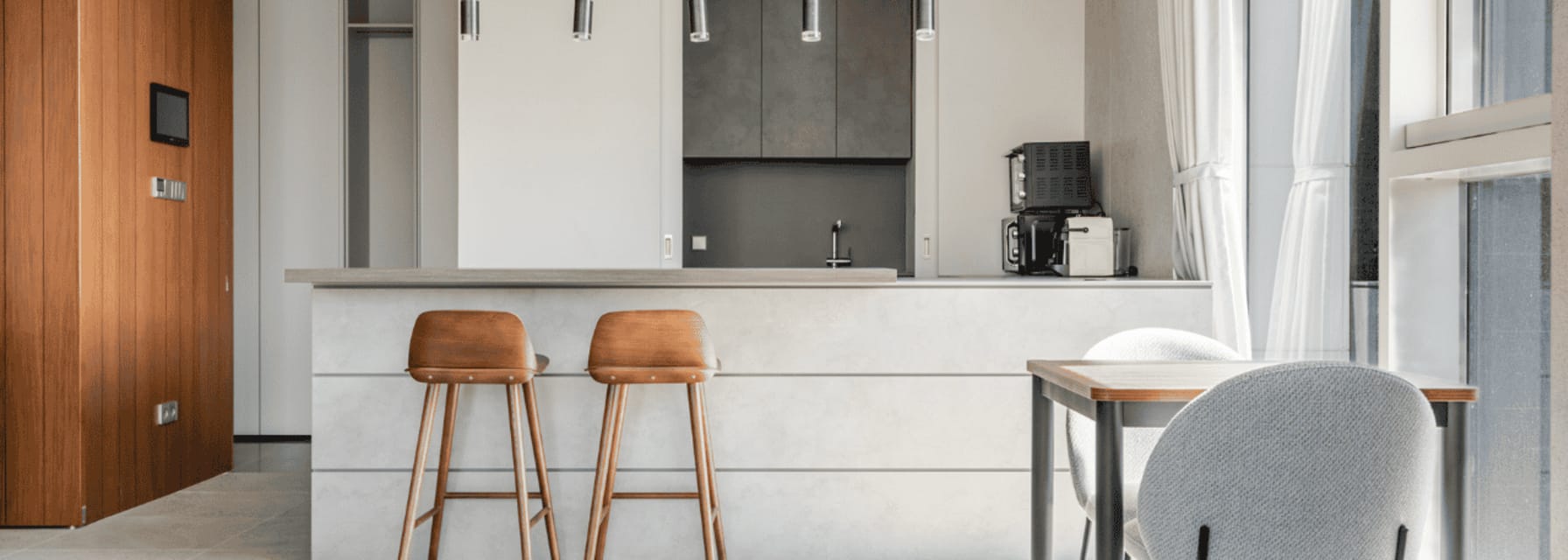


Finding the right place to live is one of the most important steps when relocating to Seoul for work. Beyond choosing a neighbourhood, international employees need to consider rental terms, commute times, furnished housing, deposits, and the practicalities of settling into a new city.
This guide covers the key things expats should know about relocation housing in Seoul, including housing options, rental processes, costs, and tips for finding a home that fits your work and lifestyle.
Key takeaways
- Relocation housing in Seoul can include wolse rentals, jeonse leases, furnished monthly apartments, and corporate housing, each with different payment structures and practical requirements.
- Choose a neighbourhood based on your workplace, commute, household needs, lifestyle, and length of assignment, rather than popularity alone.
- Compare the total housing commitment, including deposits, monthly rent, maintenance charges, utilities, and other required fees.
- Employer-arranged housing may involve a different approval, documentation, and payment process from an individual rental.
What international employees should know about housing in Seoul
Relocating employees will encounter a rental market that works differently from a typical hotel or short-stay booking. In Seoul, the main distinction is between Korea’s conventional wolse (월세) and jeonse (전세) lease structures, alongside furnished or serviced apartments that can be more practical for temporary assignments.
The right option depends on how long you will stay, how much cash you can commit upfront, whether you need furniture, and whether you or your employer will manage the contract and payments.
Who signs changes the tax treatment?
Where the company pays, the contracting party is not only an administrative choice in Korea — it is a tax classification. Housing the company leases directly and provides free of charge may be excluded from the employee’s taxable employment income, while an arrangement where the employee signs and the company reimburses is more likely to be taxable.
Shareholding executives are excluded; the exemption does not apply where the employee bears part of the rent or deposit, and residence-hotel accommodation does not qualify. Confirm the treatment with a Korean tax adviser before finalising a relocation package.
Seoul’s rental market: Understanding your housing options
| Housing type | Best suited for | Payment structure | Advantages | Considerations |
|---|---|---|---|---|
| Wolse (월세) | Residents expecting to stay longer and comfortable with a Korean lease | Deposit + monthly rent | Lower upfront commitment than jeonse; familiar monthly payment model | Deposit, contract duration, maintenance fees, and utilities need to be checked |
| Jeonse (전세) | Longer-term residents able to commit substantial upfront capital | Large refundable deposit, generally without monthly rent | Reduces ongoing monthly rent payments | High upfront deposit; deposit protection and contract checks are especially important |
| Furnished or serviced apartment | Employees relocating for several months, remote bookings or employer-arranged stays | Usually rent or a monthly housing fee based on provider terms | Move-in-ready; furniture and household setup can be simpler | Pricing, minimum stay, services and inclusions vary by property |
Monthly rental (wolse)
Under Seoul Metropolitan Government guidance, wolse normally involves a one- to two-year rental contract, a deposit and recurring monthly rent. The city says the deposit is generally around 10 to 20 times the monthly rent, although actual terms vary by property and agreement. Unpaid rent, utilities, or other outstanding amounts may also be deducted from the deposit at the end of the tenancy.
For international employees, wolse may be easier to understand than jeonse because it resembles a deposit-plus-rent model used in many other countries. However, someone relocating for only a few months should not assume that every wolse property will accept a shorter term; contract length needs to be confirmed for the specific home.
Jeonse
Jeonse works differently. According to the Seoul Metropolitan Government, the tenant provides a large lump-sum deposit to the landlord and typically leases the home for one to two years. The deposit is returned when the contract ends according to the lease terms.
For temporary international assignments, the main practical issue is the amount of capital tied up in the deposit. Deposit security also deserves careful attention: Seoul currently provides multilingual real-estate consultation for international residents specifically covering issues including jeonse fraud, lease disputes, and protection of security deposits.
Furnished apartments
Furnished apartment can remove another major relocation task: setting up a home from scratch. Seoul Metropolitan Government lists serviced apartments among the housing types available in the city and describes them as furnished housing option for both short- and long-term visitors, typically including a kitchen and other everyday apartment facilities.
Whatever housing type you choose, compare more than the headline rent. Maintenance charges, utilities, and brokerage fees can change the total cost, and Seoul notes that brokerage fees vary according to factors such as property type, size and transaction value.

Choosing the right neighbourhood for relocation housing in Seoul
A professional working in Gangnam may prioritise commuting convenience, while an employee relocating with children may value international schools, larger apartments, and quieter surroundings. Similarly, someone staying for only a few months may prioritise a furnished apartment near transport connections, while a long-term resident may prefer a neighbourhood that feels more like a permanent home.
| Area | Best for | Main advantages | Considerations |
|---|---|---|---|
| Yongsan / Itaewon | International employees and first-time expats | Central location, international community, foreign-friendly services | Busier atmosphere and higher demand in popular areas |
| Gangnam | Professionals working in business districts | Strong business infrastructure, premium housing, lifestyle facilities | Higher housing costs and longer commute to northern Seoul |
| Seongsu | Younger professionals and lifestyle-focused residents | Cafes, restaurants, creative industries, growing residential appeal | Rapid development means housing options vary significantly |
| Mapo / Hongdae | Younger employees and social lifestyles | Dining, entertainment, transport connections | Less suitable for those seeking quiet family environments |
Decide which type of housing you need
Seoul offers a wide range of housing options, so the right choice will depend on how long you plan to stay, who you are relocating with, and how much space or flexibility you need. The Seoul Metropolitan Government lists serviced apartments, apartments, one-room studios, multi-family residences, and traditional hanok homes among the city’s residential options.
| Housing type | Often suited to | Key considerations |
|---|---|---|
| Apartments | Families and long-term employees | Space, schools, transport and nearby amenities |
| Officetels | Single professionals and couples | Location, facilities, size and lease terms |
| One-room studios | Single employees and shorter stays | Lower space requirements and convenient locations |
| Serviced apartments | New arrivals and short-term assignments | Furnishing, flexibility and included services |
Set a realistic relocation housing budget
The cost of relocating to Seoul goes beyond the advertised monthly rent. Employees should consider the security deposit, monthly rent, brokerage fee, utilities, moving costs and any furnishing or setup expenses when calculating their housing budget. The deposit can be particularly significant in Seoul because both jeonse and wolse involve upfront payments, while brokerage fees are also calculated according to the type and value of the transaction.
For employees relocating through an international company, it is worth establishing the employer’s housing policy before starting the property search. Some relocation packages may contribute towards rent, a deposit, temporary housing or moving expenses. Knowing which costs are covered can help employees determine how much they can realistically spend on a property.
Monthly rent and security deposits
For wolse, tenants pay a security deposit alongside monthly rent. Seoul Metropolitan Government states that the deposit is generally equivalent to around 10–20 times the monthly rent, although the actual amount depends on the property and agreement. Typically, 10% of the deposit is paid as a contract payment, with the remainder due when the tenant moves in.
This means employees should establish their maximum upfront budget before viewing properties. A home with an attractive monthly rent may still be unsuitable if its required deposit exceeds the employee’s available funds or the amount covered by their employer.
Jeonse and the upfront cost of renting
Jeonse works differently because the tenant provides a large deposit instead of paying conventional monthly rent. According to the Seoul Metropolitan Government, a typical jeonse arrangement lasts one to two years, with 10% of the agreed jeonse amount paid as the initial deposit and the balance paid when the tenant moves in. The landlord is expected to return the full jeonse amount when the contract ends.
How deposits are actually protected
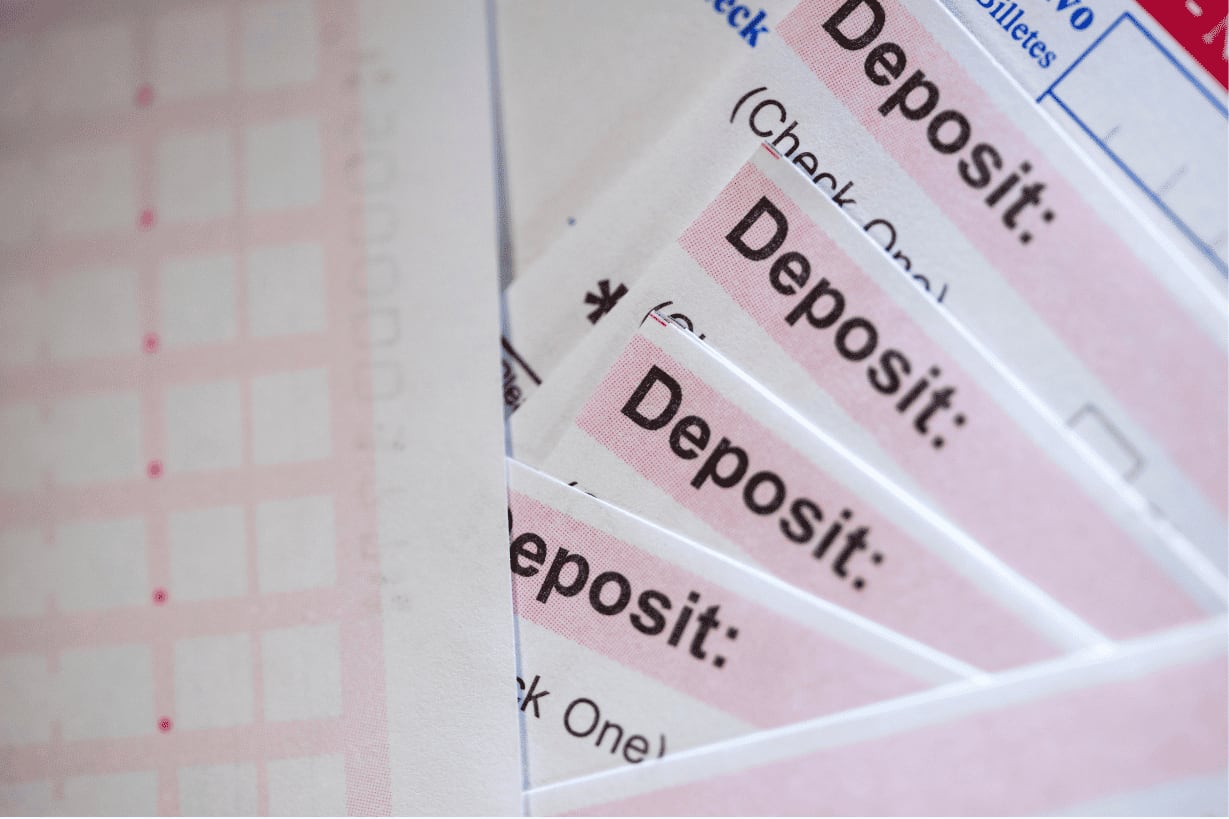
A lease contract by itself does not protect the deposit in Korea. Two steps do, and both happen after signing.
Resident registration and the fixed date stamp. Korean nationals must file a resident registration move-in report within 14 days of moving in. Possession of the home together with that registration establishes statutory tenant standing from the following day, and a fixed date stamp on the contract adds priority repayment rights. Foreign nationals must report a change of residence after completing alien registration.
Lease reporting. Residential leases above the statutory deposit or monthly rent thresholds must be reported within 30 days of signing. The grace period ended on 31 May 2025, so contracts signed from 1 June 2025 onward are subject to penalties for non-reporting. Submitting the contract at the time of reporting also secures the fixed date stamp, which handles both steps at once.
Confirm the address can be registered before signing. Residence-hotel properties, some officetels, and sublease arrangements may restrict registration depending on building policy or contract structure. Because registration is what protects the deposit, this should be confirmed in writing before signing rather than after arrival.
Brokerage fees, utilities and other housing costs
The initial rental budget should also include costs that are easy to overlook. These can include real estate brokerage fees, utilities, internet, moving expenses and property-related maintenance costs, depending on the lease and housing type.
Brokerage fees in Seoul are not simply a fixed percentage for every property. The Seoul Metropolitan Government publishes maximum brokerage rates based on transaction type and value. For residential leases, for example, the maximum rate varies according to the transaction price, while different rules apply to officetels and non-residential properties. The final brokerage fee is determined through consultation between the client and agent within the applicable maximum rate.
How housing costs vary across Seoul
Housing costs can vary substantially between neighbourhoods and property types, so a single “average rent in Seoul” figure can quickly become misleading. For a relocation guide, it is better to compare current data by district, housing type, rental arrangement, and update the figures when the article is reviewed.
| Area | Official district | Median jeonse deposit | Median monthly rent | Typical monthly rent structure |
|---|---|---|---|---|
| Yongsan / Itaewon | Yongsan-gu | ~₩745M | ~₩800K/month | ₩100M deposit + ₩800K/month |
| Gangnam | Gangnam-gu | ~₩860M | ~₩780K/month | ₩173M deposit + ₩780K/month |
| Seongsu | Seongdong-gu | ~₩760M | ~₩1.2M/month | ₩100M deposit + ₩1.2M/month |
| Mapo / Hongdae | Mapo-gu | ~₩670M | ~₩1.0M/month | ₩100M deposit + ₩1.0M/month |
Find and secure your Seoul home
Once you understand your preferred neighbourhood, budget, and housing requirements, the next step is finding a suitable apartment in Seoul. For international employees, this stage can be more complex than simply comparing listings. Language differences, unfamiliar rental terms, contract conditions, and local processes can make it difficult to evaluate whether a property is the right fit.
Where to search for rental properties in Seoul
International employees relocating to Seoul can explore housing through several channels depending on their stay length, level of flexibility required, and whether they need a fully prepared home before arrival.
Common options include:
- Local real estate agencies: Suitable for employees looking for traditional apartment rentals, including monthly rentals (wolse) or longer-term leases. Working with agencies familiar with foreign residents can help clarify local rental terms and communication.
- Online property platforms: Useful for comparing locations, apartment types, rental prices, and availability. However, renters should verify whether listings represent the exact available unit and confirm important details before signing.
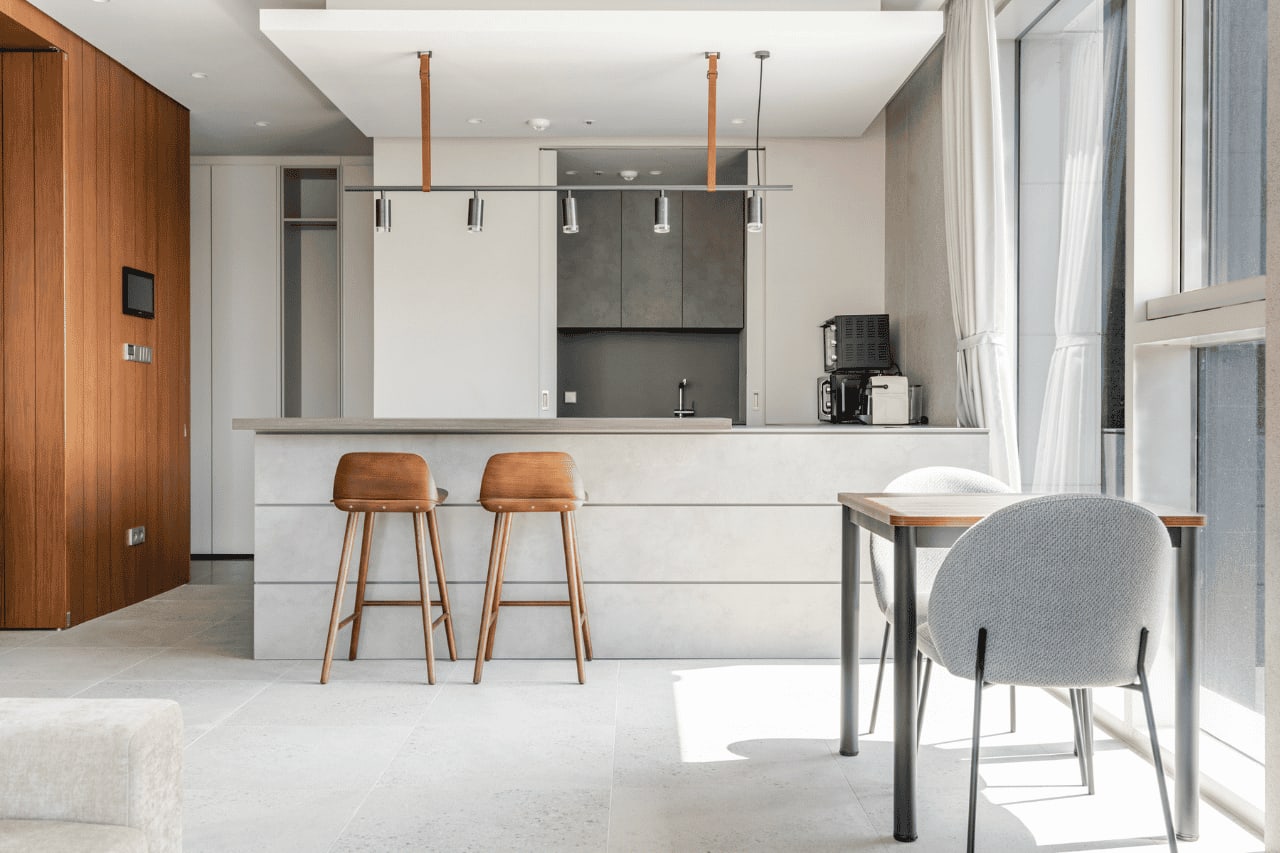
- Furnished apartment providers: These can be practical for international employees who need a move-in-ready home for a temporary assignment or relocation period. Providers such as Blueground offer furnished apartments in Seoul, allowing employees to compare housing options that already include essential furniture and household setup rather than arranging everything after arrival.
Documents international employees may need
There is no single document checklist that applies to every foreign renter in Seoul. Requirements can vary depending on the landlord, property type, rental arrangement, visa status, and whether the employee or employer is signing the agreement.
Depending on the situation, renters may be asked to provide information such as:
- Passport or identification documents.
- Visa or residence-related information.
- Employment details.
- Company information for employer-arranged accommodation.
- Financial or income-related documents where requested.
Before starting the rental process, employees should ask the landlord, agent, or housing provider what documents are required for their specific situation.
Preparing documents early can help avoid delays, especially for employees arranging accommodation before arriving in Korea.
What to check during a property viewing
Whether viewing an apartment in person or reviewing a property remotely, employees should evaluate more than the appearance of the home.
Important checks include:
Apartment condition
Review:
- Natural light and ventilation.
- Heating and cooling systems.
- Water pressure.
- Appliance condition.
- Storage space.
- Signs of maintenance issues.
Building and location
Consider:
- Building access and security.
- Elevator availability.
- Noise levels.
- Waste disposal arrangements.
- Distance to public transport.
- Nearby supermarkets, restaurants, and essential services.
Contract and property information
Before committing, confirm:
- Exact rental terms.
- Deposit requirements.
- Included services.
- Additional fees.
- Responsibilities for repairs and maintenance.
For properties involving larger deposits, renters should also make sure they understand the ownership and contract information before transferring funds.
For international employees, the goal is not only finding an available apartment, but finding a home that matches their relocation timeline, daily routine, and expectations for living in Seoul.
Settle into Seoul with Blueground furnished apartments
For international employees relocating to Seoul, choosing between a traditional rental and a move-in-ready apartment depends on factors such as assignment length, flexibility requirements, and how much setup is needed before arrival. Furnished apartments and corporate housing can be practical options for employees who need a home that is ready for daily living from the start of their stay.
Blueground Korea offers professionally managed, fully furnished apartments across Seoul, with options in residential and business-connected areas such as Yeouido, Gangnam, Cheongdam, Seocho, Yongsan and Dongdaemun. Apartments come in different sizes and layouts, making it possible to choose a home based on[1] [2] location and length of stay. Blueground also offers flexible monthly rentals for medium- and long-term stays, with minimum deposit requirements and transparent pricing.
Explore Blueground’s furnished apartments in Seoul and find a move-in-ready home that fits your location, stay length, and housing needs.
Frequently asked questions about relocation housing in Seoul
Where do most international employees live in Seoul?
Many international employees choose neighbourhoods with convenient transport connections, business access, and daily amenities. Areas such as Yongsan, Itaewon, Gangnam, Mapo, and Seongsu are popular among different groups, but the right choice depends on workplace location, family requirements, lifestyle preferences, and length of stay.
Can I rent a furnished apartment in Seoul before arriving?
Yes, some furnished apartment providers and housing platforms allow international employees to arrange accommodation before arriving in Korea. Before booking remotely, confirm the exact apartment, available dates, included furniture, contract terms, payment conditions, and move-in process to ensure the home matches expectations.
What should companies consider when arranging employee housing in Seoul?
Companies should consider the employee’s arrival date, assignment length, workplace location, budget, family requirements, and whether furnished rental is needed. A suitable relocation housing solution should balance operational requirements with the employee’s ability to settle comfortably in Seoul.

Related Stories


