


How to choose between a studio and a one-bedroom apartment
Weighing the pros and cons of these two popular apartment types? Consider these factors first.

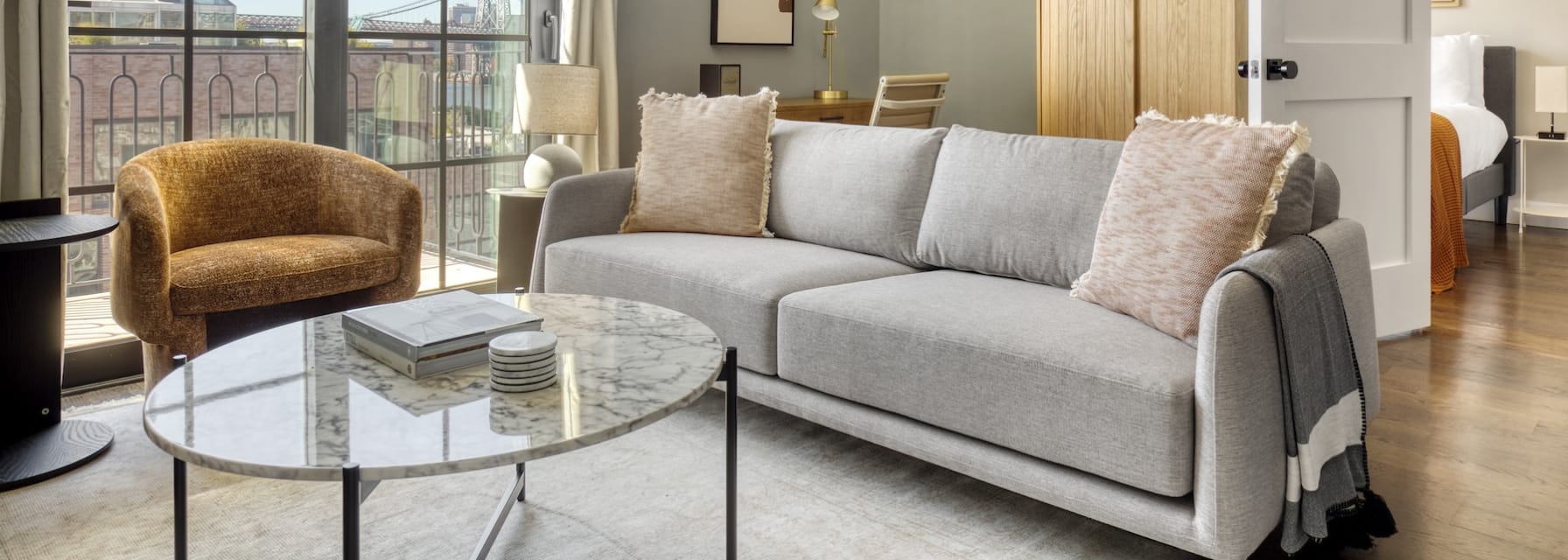


Finding a new apartment that suits your lifestyle is great—finding two with vastly different layouts can make your decision-making process tough. On paper, the difference between a studio apartment and a one-bedroom apartment seems simple; one combines living, sleeping, and cooking into a larger open space, while the other puts your most private moments behind a closed door. But choosing between the two has as much to do with how you live as it does with how much you value your privacy. Below, we’re breaking down the considerations between a studio and a one-bedroom apartment, the type of lifestyle each suits best, and how to decide which setup makes the most sense for you.
Key takeaways
- When choosing between a studio and a one-bedroom apartment, take key lifestyle components into consideration, like your work schedule, number of belongings, budget, relationship status, and time spent at home.
- Studios typically cost less and require less upkeep, making them an appealing option for solo renters, short-term leases, or anyone prioritizing budget and location over extras.
- Square footage is only one part of the story; in some instances, a well-designed studio apartment can be more functional and roomy than a poorly planned one-bedroom apartment.
- Flexible rental options can make choosing between two layouts feel less consequential, giving you the option to pivot if necessary.
What is a studio apartment vs. a one-bedroom apartment?
Put simply, a studio apartment refers to living quarters where all the primary functions of home—relaxing, sleeping, cooking—happen within one open room. While the bathroom is typically enclosed, all the other “rooms” in a studio apartment flow into each other, making the most of the home’s flow and square footage. Studios can sometimes be confused with efficiency apartments, though there are important distinctions between the two, including the size and function of the kitchen.
One-bedroom apartments, on the other hand, have a bedroom that is completely separate from the main living areas of the home, enclosed with walls and a door to create a physical divide between where you relax and entertain, and where you sleep. While one-bedroom apartments are typically larger than studio apartments, that is not always the case; the real distinction between the two is whether you have a dedicated, private bedroom.
Which layout fits your lifestyle?
Figuring out the “right” apartment for you has less to do with size or the floor plan and more to do with how you want to live and function in your space, including your storage needs, privacy preferences, and more. The same thinking applies when choosing between a condo and an apartment: start by examining your lifestyle, then look for a space that supports it.

A Blueground studio apartment in NYC.
A studio might be right for you if…
- You live solo and want to keep monthly costs down. Studio apartments generally rent for less than one-bedroom apartments in the same building, and their smaller footprint can also mean you’ll cut down on utility costs. If you’re relocating temporarily, saving towards a larger goal, or would rather spend your money elsewhere, skipping a traditional bedroom may feel like a worthy trade.
- You don’t need much separation between the different parts of your day. Many people like the act of closing the bedroom door on their day and winding down for the evening, but if the idea of sleeping in sight of your sink piled with dishes doesn’t bother you, a studio apartment might be a great choice.
- You’re naturally minimalistic. Studio living, even with generous square footage, will necessitate that you pare down your belongings. If you already have a pretty streamlined collection of things—or if most of your stuff is in storage due to relocation—then the limited storage of a studio apartment might not pose much of a challenge to you.
- You spend a lot of time outside of your apartment. If you’re constantly busy with work or tend to get together with friends at a local restaurant or bar, a studio apartment where you simply sleep and shower can make an excellent home base without requiring you to pay for a bunch of square footage you’ll never use.

A Blueground one-bedroom apartment in NYC.
A one-bedroom apartment might be right for you if…
- You work from home regularly. Having a space dedicated just to relaxation is important, and even the most dedicated remote workers can benefit from some physical separation between “office hours” and downtime. A one-bedroom apartment allows you to indulge in an area of your home that’s purely for restoration and recharge.
- You live with a partner or host regularly. While not impossible, it can be tough to function in a studio apartment with more than one person, whether that’s a partner, a roommate, or just a few friends over for cocktails. If you entertain frequently or will be living with someone, a separate bedroom will provide you with the extra space and privacy you need.
- You want your bedroom to function purely as a retreat. A dedicated bedroom allows you to close the door (literally) on your day and focus on whatever leaves you feeling restored, whether that’s binge-watching TV, knitting, or reading. If mental separation from the minutiae of your day matters to you, a one-bedroom apartment has the advantage.
- You’re comfortable paying a bit more. While the exact cost savings between a studio apartment and a one-bedroom apartment can differ between cities, you can generally expect to pay a bit more for a one-bedroom. If the added cost fits your budget, the extra flexibility the layout provides could be worth it.
Pros and cons of a studio apartment
Still undecided? Below, find a breakdown of the practical advantages and disadvantages of studio living.
Pros:
- Lower monthly costs. A studio will typically cost less than a one-bedroom apartment and may require you to spend less on utilities.
- Easier to maintain. Less square footage means fewer spots to vacuum, mop, and dust. The minimalistic living that comes with a studio apartment is appealing for many.
- Simpler to furnish. Because of their size, studio apartments fit less stuff and, with only one real “room” to consider, you’ll need fewer pieces to make your apartment feel like home.
- Easy for downsizing. Renters looking to simplify their lives or transition to a more minimalistic temporary living situation will love how a studio apartment layout contributes to their new lifestyle.
Cons:
- Privacy is limited. Unlike a one-bedroom apartment, there’s nowhere to sneak off to in a studio if you want to escape a partner or just a pile of unclean laundry on your couch.
- Organization is a must. Because square footage is at a premium, every inch counts, and you’ll need to make the most of your storage and organizational opportunities. Thoughtful furniture that boasts hidden storage can help with this.
- You may outgrow it. A studio apartment may feel comfortable for a short-term living solution, but as you accumulate stuff and a life in your area—including friends, a partner, or maybe even a pet—your home may become a bit snug.
Beyond square footage: why smart design matters more than room count
When searching for an apartment, it can be tempting to put a lot of stock in the square footage of a unit, but those numbers don’t actually tell you how comfortable a home is to live in. A well-planned studio apartment with a highly functional layout and great furniture can feel surprisingly roomy, while a larger (on paper) one-bedroom apartment with an awkward layout or oversized furniture can feel cramped and cold by comparison.
In the end, how comfortable an apartment is comes down to how well the space is used, the furniture it’s staged with, and how it supports the habits and rituals already a part of your everyday life. Before assuming that an extra room equates to a better apartment, take a closer look at the layout and how it might impact your life in the home.
How to decide: budget, lifestyle, and what comes next
Before making any decisions about the layout of your new home, you need to first consider what is accessible to you within your budget. An extra bit of money a month might be worth it to you to have more room to entertain friends or coexist peacefully with a partner, but if you are saving for something, like a home renovation, that additional cost may be harder to justify. From there, look at how you prefer to go about your day-to-day life. Examine factors like your hosting habits, work setups, cooking preferences, number of belongings, and noise tolerance to help determine if a studio apartment or a one-bedroom apartment is right for you.
It’s also worth considering how long you plan on taking up residence in the home and whether you’re looking for a short-term vs. long-term rental. Maybe people can justify sacrificing for a short-term living arrangement, but if you plan on being in the apartment for six months or more, you’ll want to really find something that suits your lifestyle and needs without sacrifice. Remember, one of the perks of a month-to-month rental is the ability to adjust if needed; if you find that studio living isn’t suitable for you long term, you can always seek out a new apartment when your needs change.
Whichever you choose, Blueground makes the move easy
Whether you land on a studio apartment or a one-bedroom apartment, the hunt for a new place should be easy, not another project to manage. Blueground offers furnished, move-in-ready studios and one-bedroom apartments that are thoughtfully designed and equipped with the furniture and everyday essentials you need to live comfortably. Even better, that removes some of the guesswork from the “smart design” equation; you don’t have to furnish a small footprint from scratch or buy pieces that won’t suit your lifestyle long term. There are also financial considerations, and comparing the true cost of traditional renting vs. move-in-ready homes means accounting for more than just base rent alone.
Blueground is built on the idea of flexibility, too. Depending on your location and apartment availability, short- and long-term rentals can range from a week to months or longer, with options that make it easy to extend your stay, switch your apartment, or move cities. Blueground also bundles rent, utilities, and Wi-Fi into a straightforward pricing package, making it easier to understand what your home will actually cost you each month and helping you decipher real cost of unfurnished vs. furnished apartments.
Frequently asked questions
If you’re still considering your options, these common questions may help you better choose between a studio apartment and a one-bedroom apartment.
Is a studio apartment a good fit for a temporary work relocation?
Yes, a studio can be a practical choice for a short-term work relocation, especially if you’re someone who is moving solo. The lower rental cost and easy setup often outweigh the lack of privacy and walls, especially if you’re in a situation where you prefer to prioritize simplicity. Turnkey apartments for relocating professionals make moving into a studio apartment even easier, allowing you to forgo most planning and shopping and make yourself right at home.
Can a studio apartment work as a home office?
For sure, as long as the floor plan gives you enough room to carve out a work zone that feels inspiring and separate from where you sleep. Try positioning your desk near a window or delineate it by using a folding screen or shelving unit to give you the illusion of privacy without any true walls.
Is a studio or a one-bedroom apartment better for two people living together?
In general, most couples are likely to prefer the privacy and extra square footage that comes with a one-bedroom apartment over a studio. That said, a studio can work well for some couples, provided that they keep their belongings streamlined and respect each other’s space.
How much more does a one-bedroom typically cost than a studio?
The cost for a one-bedroom apartment and a studio apartment can vary greatly depending on the city and location in question. One-bedroom apartments are often considerably more to rent than studio apartments in the same building, though you’ll want to assess the presented price against other listings in the area or building you’re considering.

Related Stories


