


A Student’s Guide to Finding Housing in Top U.S. Cities (2025 Edition)
Where to live, what to expect, and how to budget for studies in the US

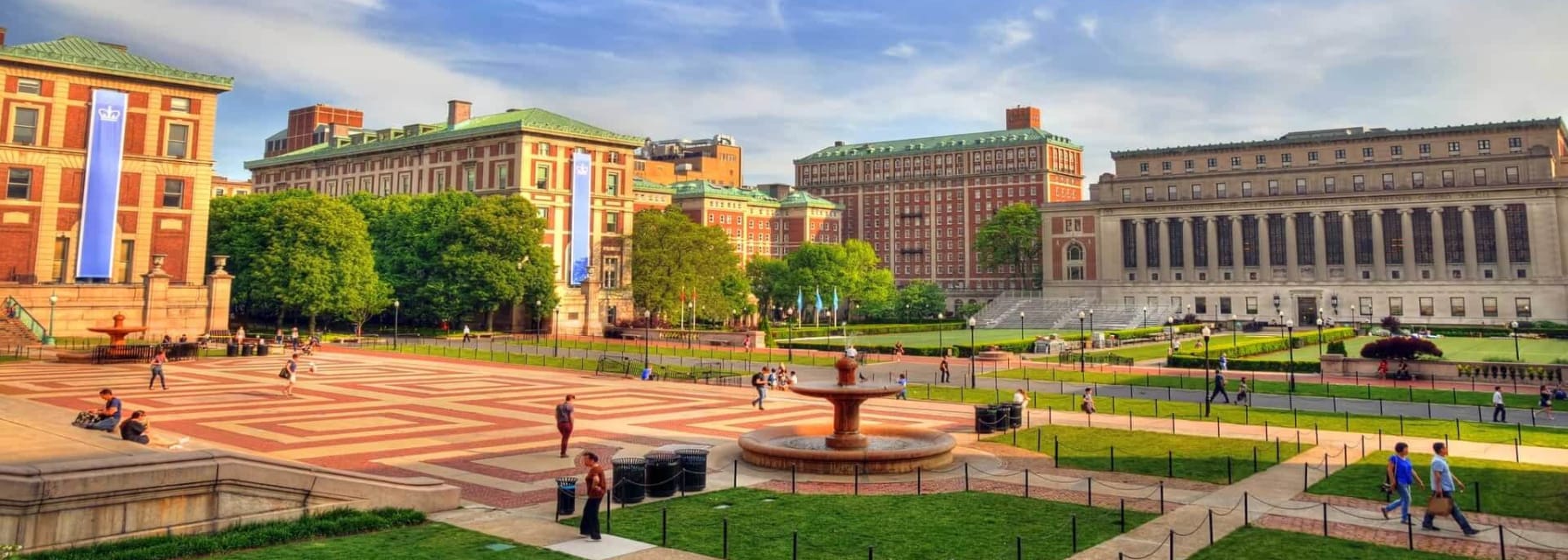


Choosing student housing in the United States shapes more than where you sleep — it affects your commute, study habits, social life, and finances. This guide explains every major housing option in full detail, gives budgeting and legal tips, and profiles five top U.S. student cities with neighborhood-level guidance. Whether you’re an international student arriving for the first time or a domestic student planning to move off campus, these explanations will help you make an informed decision.
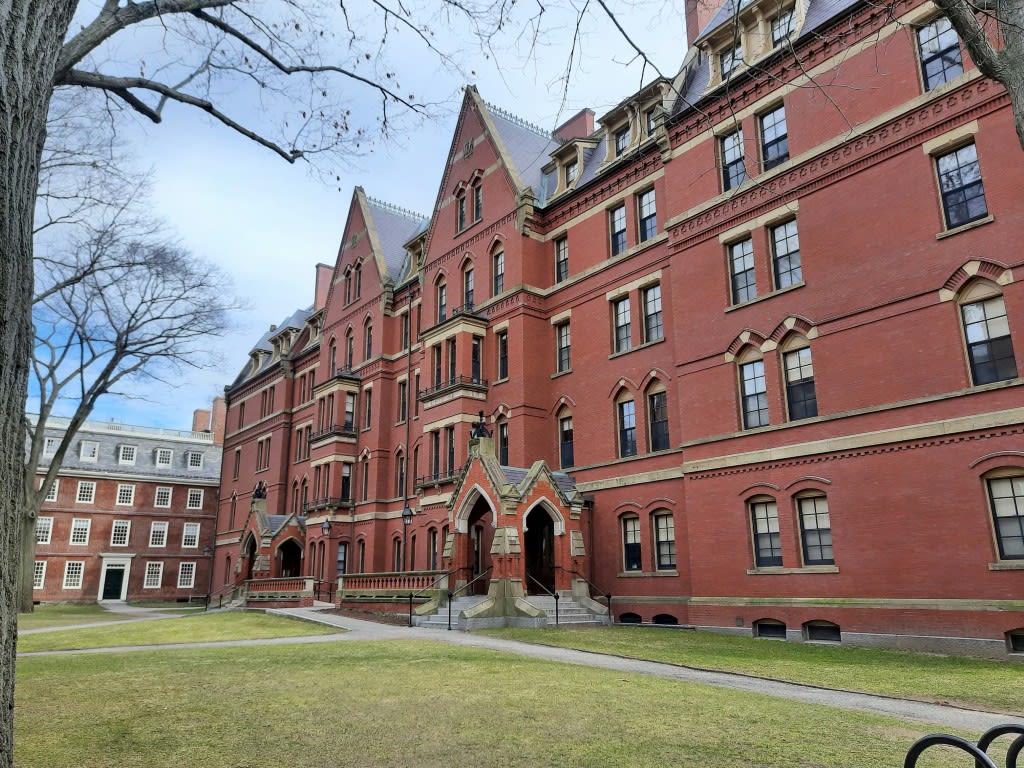
Understanding the student housing options in the U.S.
American student housing is diverse, ranging from traditional dormitories to high-end co-living spaces. Here’s a breakdown of the main options available:
1. On-Campus Dormitories
Dormitories – often called University halls or residence halls – are campus-run accommodations intended primarily for undergraduates, especially first-year students. A typical dorm offers furnished bedrooms (often small), communal bathrooms or shared-suite bathrooms, common lounges, and sometimes dining halls or meal-plan options. The university manages security, maintenance, and community programming (RA-led events, study nights, and orientation activities). Dorm life emphasizes convenience: living minutes from classes and campus resources, with resident advisors available to support students. However, dorms tend to be compact, with less privacy and stricter rules (guest policies, quiet hours).
Pros: Safety, convenience, and social life.
Cons: Less privacy, limited space, and structured rules.
2. Off-Campus Apartments
Off-campus apartments are privately leased residential units, studios, one-bedrooms, multi-bed flats, or houses, located outside university-owned halls. They range from small privately owned walk-ups to large, professionally managed purpose-built student housing (PBSA) communities. Leases are typically 12 months, though many student markets offer academic or semester leases; landlords may require a credit check, proof of income, and a U.S.-based guarantor for students without local credit history. Utilities (electricity, gas, water, internet) are sometimes included but frequently billed separately, so tenants should confirm average monthly utility costs before signing.
Pros: Independence, comfort, and flexible leases.
Cons: Higher rent and possible guarantor requirements.
3. Shared Housing / Co-Living
Shared apartments – also called flatshares, house shares, or co-living – are arrangements where students rent individual rooms within a larger apartment or house and share common areas like the kitchen and living room. These setups vary from informal roommate agreements with private landlords to professionally managed co-living spaces that provide cleaning, community events, and flexible leases. Shared housing is often the most budget-friendly option because costs are split among occupants; it also fosters social networks and collaboration on chores and bills. But shared living requires interpersonal skills: you’ll need to handle shared responsibilities, align schedules, and manage conflicts over cleanliness, noise, and guests. Contracts may bind the entire apartment, meaning one roommate leaving can complicate rent obligations unless the lease or sublease arrangement addresses replacements and deposit returns.
Pros: Lower cost and built-in social network.
Cons: Less privacy, varying roommate compatibility.
4. Homestays
Homestays place students with local host families, offering a cultural immersion experience alongside lodging. This option is particularly useful for international and exchange students who want to improve language skills, understand local customs, and benefit from a family environment. Homestays usually include a furnished private room, meals (often breakfast or dinner), and access to common household amenities. The arrangement is typically arranged via university programs or vetted homestay agencies that screen hosts for safety and compatibility. Homestays can be more expensive than shared student apartments but are often less stressful for newcomers because hosts handle many day-to-day logistics. The major considerations include respecting household rules, adjusting to less privacy, and ensuring the homestay provider mediates any issues that arise.
How to Budget for Student Housing
Rent prices in the U.S. vary widely. Expect to spend 30–50% of your monthly expenses on housing, depending on the city. Here’s how to plan your budget effectively:
- Determine Your Maximum Rent: Ideally, housing shouldn’t exceed 35% of your income or financial aid.
- Check What’s Included: Some apartments include utilities or Wi-Fi, others don’t.
- Account for Move-In Costs: First month’s rent, security deposit, and sometimes an application fee.
- Furniture & Setup: If renting an unfurnished space, add $500–$1,000 for basics.
- Commuting Costs: Living farther away can mean extra spending on transport or parking.
What to Check Before Signing a Lease
Before committing, review these details carefully:
- Distance to Campus: Proximity reduces commute time and transportation costs.
- Lease Duration: U.S. leases are usually 12 months—ask if semester options exist.
- Utilities: Confirm whether electricity, water, and internet are included.
- Deposit & Guarantor: Expect to pay a security deposit and provide a guarantor (often a parent or agency).
- Furnishing: Many American apartments are unfurnished—budget for essentials.
- Safety: Review building security and neighborhood crime stats.
- Maintenance: Understand how repairs and emergencies are handled.
Flexible, Furnished Options for Students
Students who need a flexible start in a new city may prefer renting a fully furnished apartment with short- and medium-term lease options. For example, platforms offering move-in-ready apartments near major U.S. universities can simplify arrival logistics: furniture, Wi-Fi, and utilities are included, letting you focus on orientation and settling in before committing to a long-term lease. These options are especially helpful for international students and anyone relocating across states.
Top 5 U.S. Cities for Students in 2025
1. Boston, Massachusetts

Top Universities: Harvard University, MIT, Boston University, Northeastern University
Boston is one of the most student-dense cities in the world, home to over 250,000 students. Popular student areas include Cambridge, Allston, and Fenway–Kenmore.
Average Rent: $1,500–$2,500 per month for shared housing.
Housing Tip: Start your search early—Boston rentals fill up by spring for fall move-ins.
Pros: Prestigious universities, walkable city, vibrant cultural scene.
Cons: High housing demand and limited parking.
2. Austin, Texas

Top Universities: University of Texas at Austin, St. Edward’s University
Austin blends Southern hospitality with tech innovation. The West Campus area near UT Austin is packed with modern student apartments and lively coffee shops.
Average Rent: $900–$1,600 per month.
Housing Tip: Look for furnished student housing within biking distance of campus.
Pros: Affordable relative to coastal cities, warm climate, live-music capital.
Cons: Summer heat, limited public transit.
3. New York City, New York
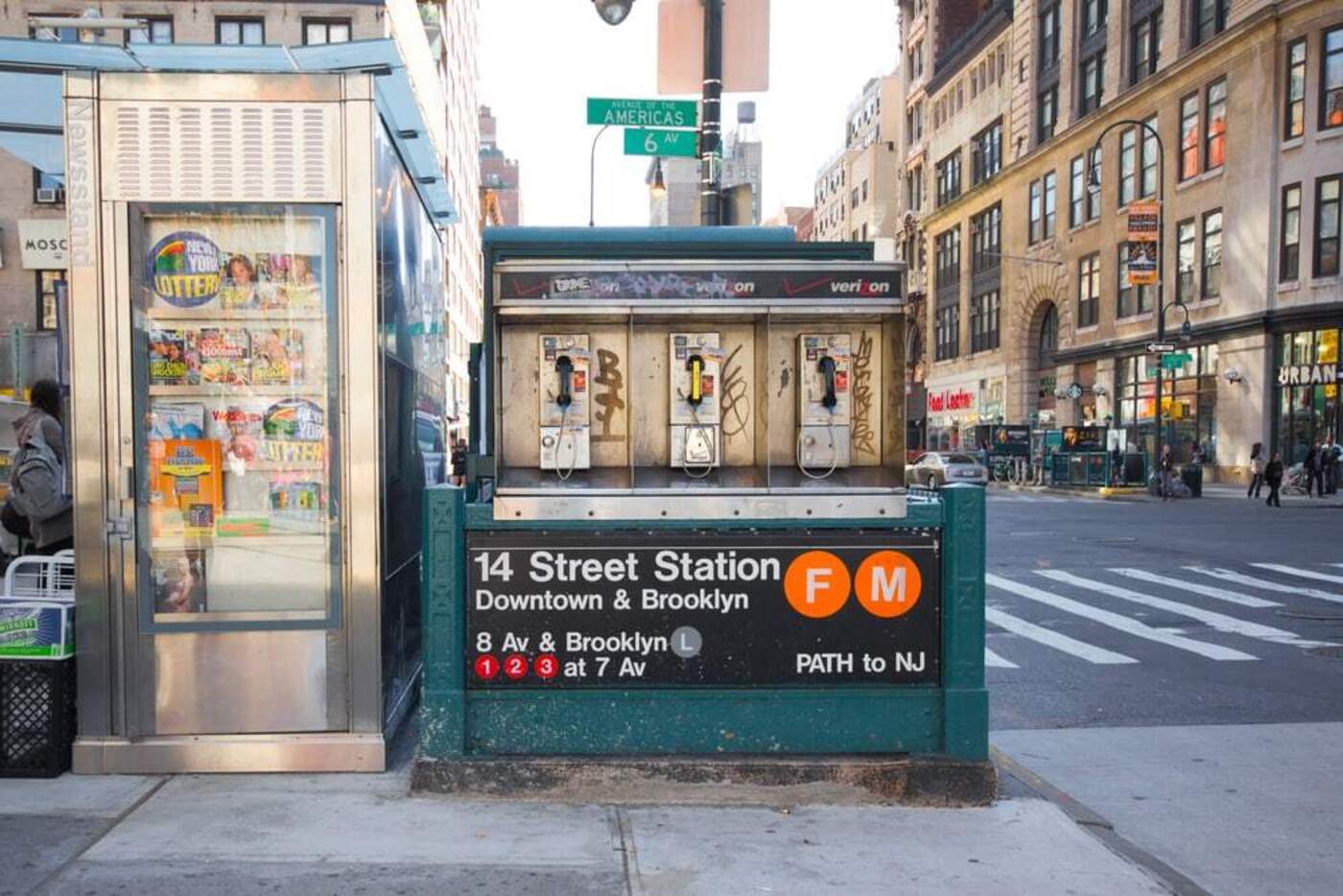
Top Universities: NYU, Columbia University, Fordham University, The New School
The Big Apple offers an unmatched academic and cultural environment—but space comes at a premium.
Top Student Neighborhoods: Greenwich Village, Morningside Heights, Brooklyn (Williamsburg, Bushwick).
Average Rent: $1,800–$3,000+ per month.
Housing Tip: Consider co-living or micro-apartments for affordability.
Pros: Global networking, culture, internship opportunities.
Cons: High rent, small spaces, competitive market.
4. Los Angeles, California
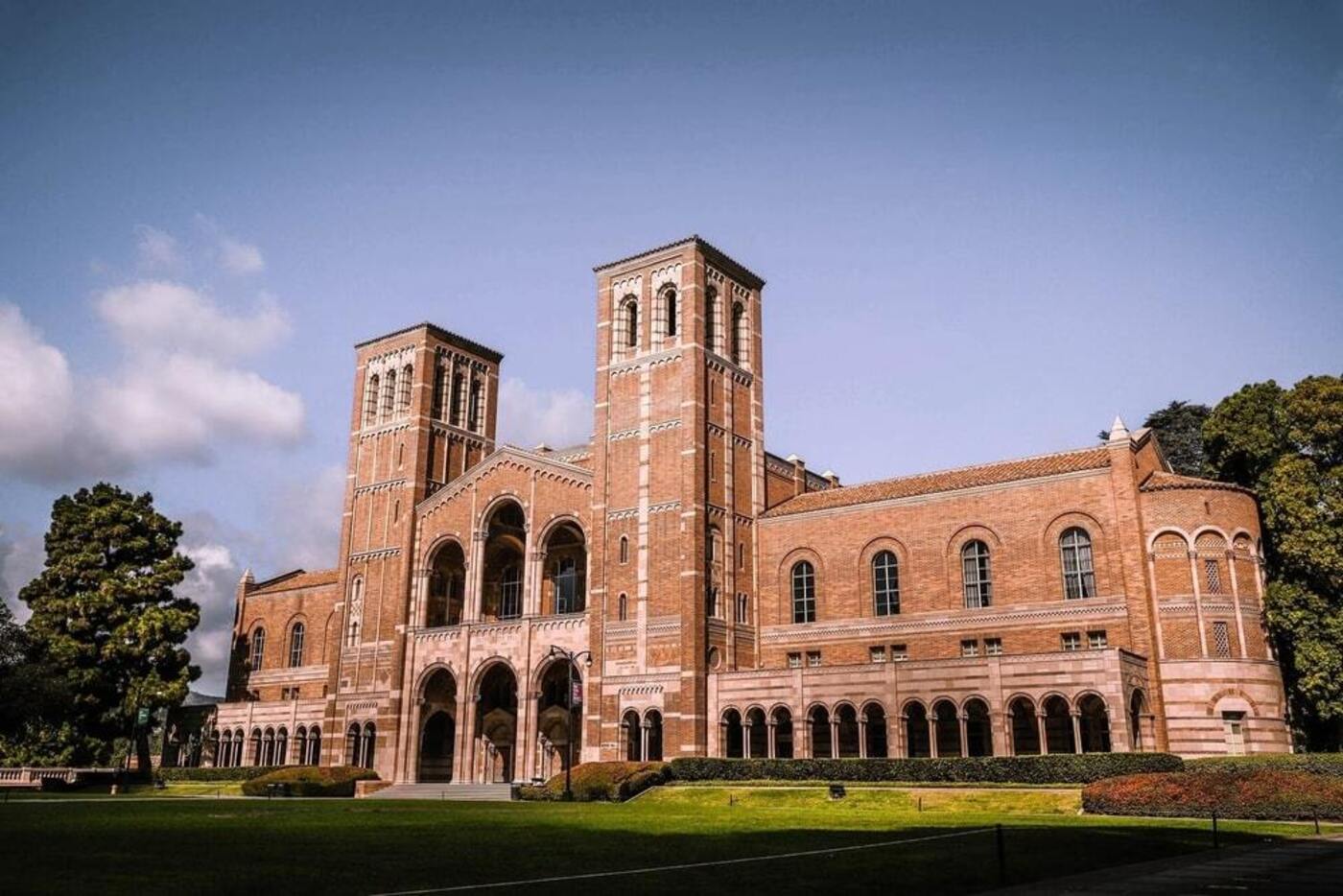
Top Universities: UCLA, USC, Cal State LA, Loyola Marymount.
Los Angeles combines sun, creativity, and diversity. Popular areas include Westwood (UCLA), University Park (USC), and Culver City.
Average Rent: $1,400–$2,200 per month.
Housing Tip: Factor in commuting time—public transit is improving but traffic is still heavy.
Pros: Great weather, multicultural lifestyle, career opportunities in film and tech.
Cons: Expensive near campuses, traffic congestion.
5. Chicago, Illinois

Top Universities: University of Chicago, Northwestern University, DePaul University.
Chicago balances affordability with cosmopolitan life. Students enjoy neighborhoods like Hyde Park, Evanston, and Lincoln Park.
Average Rent: $1,000–$1,700 per month.
Housing Tip: Inspect heating systems—winters can be harsh.
Pros: Lower rent than coastal cities, strong arts and food scene.
Cons: Cold winters, neighborhood safety varies.
The U.S. offers incredible diversity in student housing options. Whether you’re after the tradition of Boston, the innovation of Austin, or the excitement of New York, planning early and budgeting realistically is key. Research lease terms carefully, and don’t hesitate to consider flexible furnished rentals while settling in. Your home away from home can be more than just a place to sleep, it can be the foundation of your entire college experience.

Related Stories


