


Paws, Purpose, and Property: How Gen Z Is Transforming Student Housing with Pet-Friendly Expectations
Discover how Gen Z’s love for pets is reshaping U.S. and European student housing, new amenities, policies, and community designs redefining “home.…




As Generation Z reshapes every corner of the housing market, one unexpected trend is wagging its tail into focus: the rise of pet-inclusive student living. What began as a niche offering—“pet-friendly apartments”—has become a defining factor for how universities, private developers, and Purpose-Built Student Housing (PBSA) operators attract and retain Gen Z renters.
This global analysis explores why pet ownership among students is growing, how housing providers in the U.S. and Europe are adapting, and what this shift reveals about Gen Z’s broader expectations for care, connection, and emotional well-being.
1. The Rise of the Student Pet Parent
Just a decade ago, bringing a pet to college was an exception. Now it’s a lifestyle statement. According to a 2024 report by the American Pet Products Association, over 65% of Gen Z adults consider pet ownership “a core part of personal identity.” Among U.S. university students, an estimated 25% either own or regularly care for a pet during the academic year.
The rise is visible online too. The hashtag #CollegePets has more than 600 million views on TikTok, showcasing dorm cats, ESA dogs, and even pet hedgehogs. Pets have become symbols of responsibility and emotional grounding—a vital part of life for students balancing study stress and newfound independence.
“Caring for an animal provides students with daily structure and emotional resilience,” says Dr. Karen Hsu, a psychologist at UC Irvine. “It teaches empathy and gives them purpose during a period of identity formation.”
2. Why Gen Z Is Different: Values over Convenience
Unlike past generations that treated pet ownership as post-graduation territory, Gen Z integrates it into their college years. This generation’s values—compassion, mental health awareness, and sustainability—drive their housing preferences.
Pet ownership for them isn’t just companionship; it’s a reflection of self-care and social consciousness. A 2025 StudentRentals.com survey found that listings with keywords like pet-friendly, green space, or community amenities perform 30% better in engagement among Gen Z renters.
For many, a “no pets” clause now feels outdated—akin to denying Wi-Fi or recycling bins.
3. Emotional Support Animals (ESAs): From Exception to Expectation
The rapid rise of Emotional Support Animals has forced universities and landlords to rethink policy frameworks. Under U.S. law, verified ESAs must be accommodated, even in non-pet housing. But the surge in ESA requests has blurred boundaries between therapy animals and personal pets.
Progressive institutions are adapting instead of resisting:
- Creating dedicated ESA housing zones with pet-washing stations and green areas.
- Partnering with campus counseling centers to provide verification and education.
- Hosting “Pet Wellness 101” workshops during orientation weeks.
- By treating pet ownership as a matter of student wellness, not merely policy compliance, universities are improving retention and mental health outcomes.
4. Pet Amenities Evolve: From Gimmick to Infrastructure
Private PBSA developers are fully embracing the “paws and purpose” economy. In 2025, over 40% of new student housing projects in the U.S. feature pet amenities, signaling a shift from permissive to proactive design.
Common features now include:
- Pet-washing stations and grooming zones in common areas.
- Small-dog play yards or rooftop pet relief zones.
- On-demand walking services via building apps.
- Smart pet tech—automatic feeders, hydration sensors, and motion cameras.
What used to be a quirky add-on is now part of leasing strategy. These amenities strengthen community bonds, improve tenant satisfaction, and boost renewal rates.
5. The Economics of “Paw-Friendly” Housing
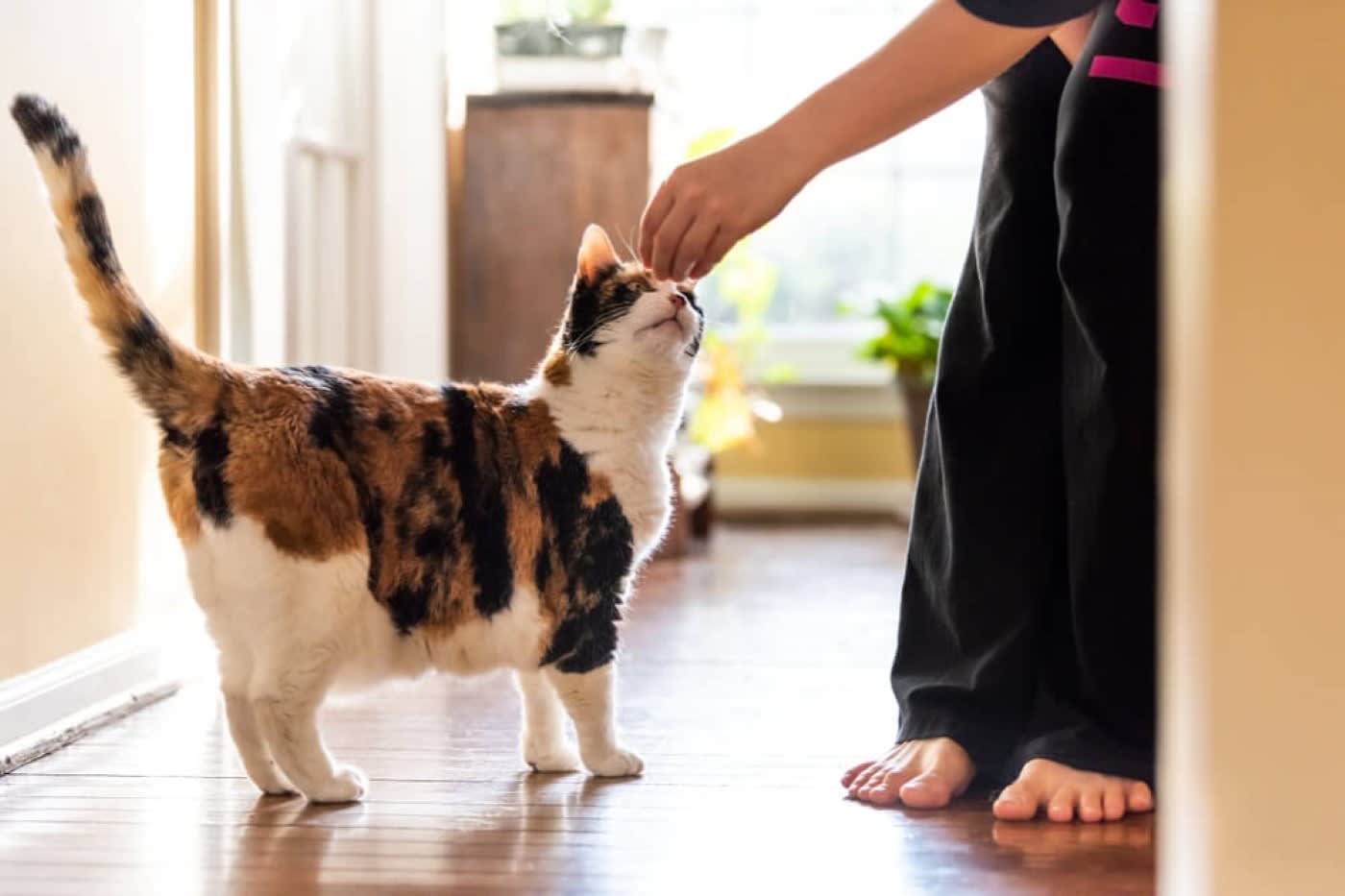
Pet-friendly housing isn’t just a trend—it’s good business.
A 2025 JLL Student Living report found that pet-inclusive properties enjoy 7–10% higher occupancy rates and longer tenancy durations. Students with pets are less transient and more likely to renew, especially for multi-year programs.
Yes, costs exist—deposits, cleaning, noise management—but operators offset them through higher rental yields and lower turnover. In markets like Austin, Denver, and Boston, pet-inclusive apartments lease 25% faster than pet-restricted ones.
Platforms offering furnished, flexible rentals with pet policies also appeal to international and postgraduate students seeking easy arrival options before signing long-term leases.
Example: Blueground offers flexible lease options ideal for students traveling with pets between semesters.
6. The Urban Dimension: Parks, Paw Paths, and “Pet Walkability”
Gen Z’s pet expectations extend beyond the apartment to the urban environment. Proximity to parks, sidewalks, and pet-friendly cafés is now a major housing selection factor.
Cities like Seattle, Austin, and Madison are leading the charge with dog-friendly zoning and pet hydrant stations. In denser areas like New York or Boston, developers are responding creatively—adding indoor relief areas, rooftop dog runs, and designated pet elevators.
“Pet walkability” may soon be as important as public transport proximity for student renters. The message is clear: a truly livable city must also work for four-legged citizens.
7. Sustainability Meets Pet Culture
Gen Z renters are deeply eco-conscious, and they extend this ethic to pet ownership.
Student residences are adopting sustainable pet initiatives:
- Compostable waste systems for pet litter and bags.
- Eco-friendly cleaning products in shared pet areas.
- Local adoption partnerships instead of breeders.
- Biophilic design—pet-safe plants and natural materials to improve air quality.
In eco-forward schools like the University of Oregon or UC Santa Cruz, pet-friendly housing aligns perfectly with campus sustainability goals.
8. The European Perspective: Pets, Culture, and Community
Across Europe, pet-friendly student housing is expanding—but with cultural nuances.
Unlike the U.S., where private PBSA dominates, many European students live in university-managed or cooperative housing. As student mobility grows through Erasmus+ and international programs, demand for pet-inclusive options is rising fast.
8.1. Regulatory Diversity
Europe doesn’t have one-size-fits-all housing law. In Germany and the Netherlands, landlords cannot unreasonably ban small pets. In France or Spain, restrictions vary by region or by contract.
However, the EU’s increasing focus on mental health and inclusivity is influencing student housing policies—mirroring the U.S. ESA conversation.
Several universities, including the University of Amsterdam and Lund University in Sweden, now pilot small-scale “pet co-living units,” allowing limited pets in shared housing with proper registration and behavioral standards.
8.2. Design and Lifestyle Trends
European PBSA developers are blending practicality with design-led wellness.
In cities like Berlin, Lisbon, and Copenhagen, new residences feature:
- Indoor pet lounges with Scandinavian minimalist aesthetics.
- Community gardens and green courtyards for pets and people alike.
- On-site vet partnerships for routine checkups.
- Adoption collaborations with local shelters.
In Berlin’s “Woodie” modular housing project, shared green terraces double as both sustainable features and pet relaxation zones—an example of sustainability meeting inclusivity.
8.3. Emotional and Social Value
For international students in Europe, pets provide a vital emotional connection to home. Universities are beginning to recognize this in orientation materials, offering resources for finding local vets, traveling with pets, and navigating EU pet passports.
“We’ve noticed that students who bring pets integrate faster and report higher satisfaction,” says Elena Tomás, Housing Director at Universidad Europea de Madrid. “Pets encourage routine, social interaction, and emotional balance in multicultural environments.”
As co-living becomes the norm, expect to see multilingual “pet communities” in major European student hubs—bridging cultures through shared responsibility and companionship.
9. Challenges and Responsibilities
Of course, pet-inclusive living isn’t without challenges.
Noise, allergies, and sanitation remain key concerns for property managers. Some residences address this with “quiet paw” floors, noise-buffered materials, or shared pet hours for outdoor spaces.
The future of successful pet-friendly housing will hinge on education and mutual respect. Many institutions now integrate pet responsibility agreements, requiring vaccination proof, behavioral assessments, and emergency contact systems.
Rather than excluding pets, the focus is shifting to coexistence and care management.
10. Housing as Emotional Infrastructure

Ultimately, the pet-friendly movement is about more than animals—it’s about belonging.
College life can be disorienting, especially for students moving abroad. Pets act as emotional constants: they ground students in routine, responsibility, and empathy.
Communities that embrace pet ownership often report stronger social bonds, higher well-being scores, and lower turnover rates.
Pets introduce their humans to one another—creating spontaneous micro-networks that humanize modern student living.
11. Looking Ahead: Designing for Humans and Their Companions
By 2030, pet-inclusive housing will likely be a global standard, not an exception.
The next generation of buildings will feature:
- Smart pet access systems for secure entry and exit.
- Integrated tele-vet rooms for remote consultations.
- Shared subscription-based pet services (walking, grooming, training).
- Community “paws & wellness” programs connecting housing, mental health, and sustainability.
In both the U.S. and Europe, this is more than trend—it’s an ethical evolution in how we define livable space.
Conclusion: The Humane Generation
Gen Z’s housing revolution is rewriting the rules of belonging. For them, a true home must nurture every dimension of identity—including the one that wags, meows, or chirps.
Pet-friendly student living is transforming campuses and cities alike, proving that emotional well-being, environmental consciousness, and modern housing design can—and must—coexist.
In 2025 and beyond, the student housing market won’t just be pet-friendly. It will be human-friendly, too.

Related Stories


